
How Beverage Flow Shapes Guest Experience and Brand Perception
/The invisible system that makes events feel effortless—or chaotic
When people think about planning an unforgettable event in Southern California—whether it’s a vineyard wedding in Temecula, a luxury estate celebration in Orange County, a rooftop corporate event in Los Angeles, or an intimate backyard reception in San Diego—they usually obsess over the big, visible elements:
The venue
The décor
The food
The entertainment
The timeline
But there’s a quieter, more powerful force at work underneath all of that: beverage flow.
Not just what you serve, but how it moves through the event. Not just the bar menu, but the pacing, the access, the ease. Not just the coffee cart, but the way guests experience it in real time.
Beverage flow is the invisible system that shapes how guests feel from the moment they arrive to the moment they leave. And in a region like Southern California—where expectations are high, aesthetics matter, and guests are used to curated experiences—beverage flow can be the difference between:
“That event was beautiful, but kind of stressful.” and “That event felt so smooth, so thoughtful, so…right.”
Core lesson: Guests may not remember the schedule—but they remember how the event felt
Most guests can’t tell you what time the ceremony started, how long cocktail hour lasted, or when dessert was served.
But they can tell you:
Whether they felt taken care of
Whether they were waiting in lines all night
Whether the bar felt chaotic or calm
Whether the coffee arrived when they needed it
Whether the event felt polished or disorganized
This is the core truth planners, venues, and hosts in Southern California need to design around:
Guests don’t remember the schedule. They remember the feeling.
And beverage flow is one of the strongest emotional levers you have.
Long bar lines create frustration and impatience.
Confusing bar locations create anxiety and hesitation.
Slow or inconsistent service makes the event feel under-resourced.
Smooth, intuitive beverage access makes the event feel premium, intentional, and well-run.
When a bride searches for “best wedding coffee cart in Southern California” or a planner looks up “luxury mobile coffee catering Orange County”, they’re not just looking for drinks. They’re looking for a partner who understands how beverages shape the emotional experience of the event.
Beverage experience as emotional pacing
Every event has an emotional arc. Beverages are one of the main tools that control that arc.
Think of the event like a story:
Arrival: Set the tone.
Transitions: Maintain clarity and comfort.
Peaks: Amplify energy and connection.
Wind-down: Land softly and memorably.
A well-designed beverage flow supports each of these phases.
Arrival: The first emotional handshake
In Southern California, guests often arrive after sitting in traffic on the 5, the 405, or the 91. They’re hot, a little frazzled, and ready to be grounded.
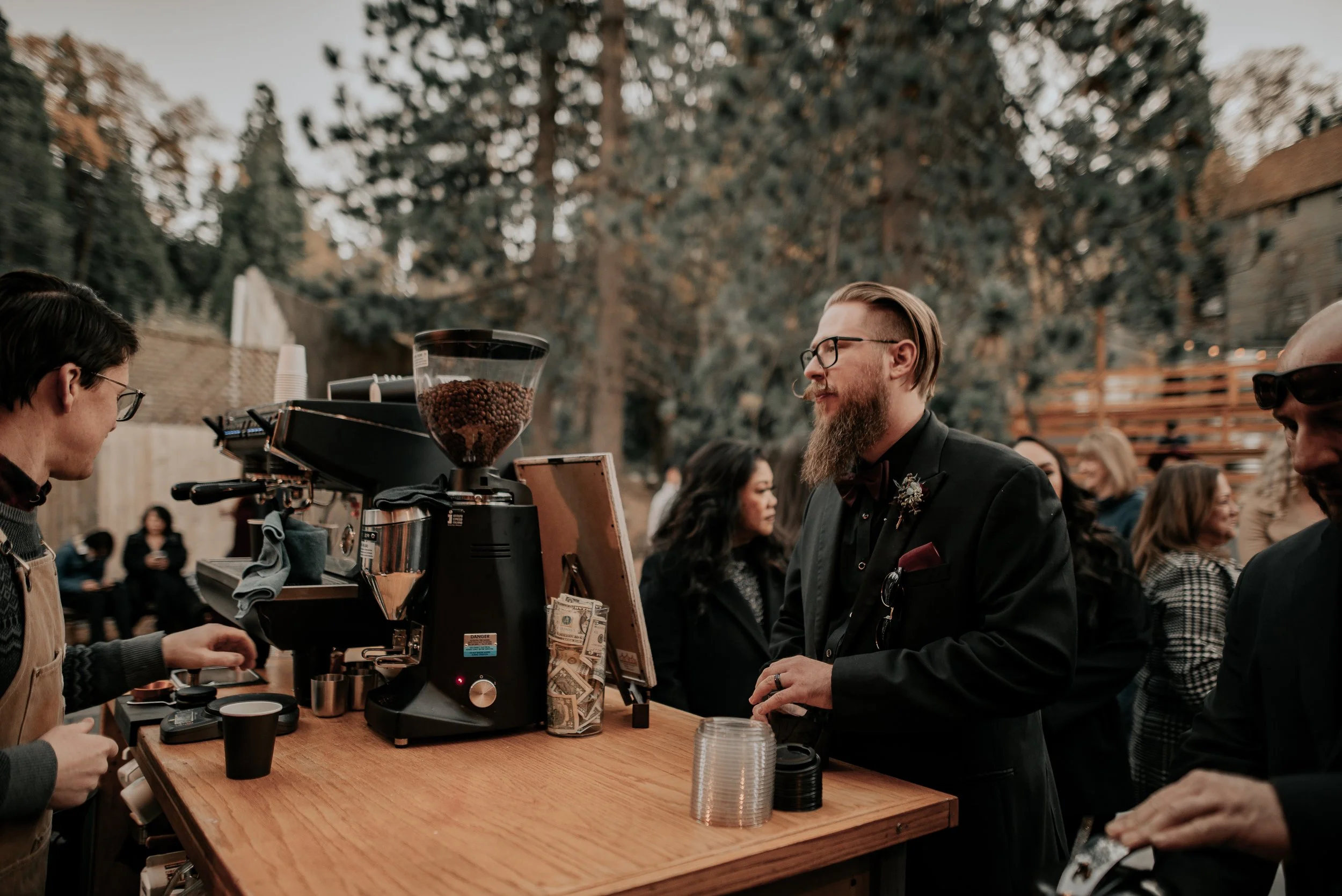
The first beverage they receive—whether it’s a glass of sparkling, a signature cocktail, infused water, or a beautifully crafted iced latte from a wedding coffee cart—is the emotional handshake of the event.
A smooth arrival beverage experience says:
“You’re welcome here.”
“You’re taken care of.”
“You can relax now.”
This is why planners search for things like:
welcome drink station for weddings
coffee cart for guest arrival Southern California
luxury beverage service for outdoor events
A thoughtful arrival beverage moment doesn’t just hydrate guests—it regulates their nervous system. It tells their body: this is going to be good.
Transitions: Where events quietly succeed or fail
Most events don’t fall apart during the big moments. They fall apart in the transitions:
Ceremony → cocktail hour
Cocktail hour → reception
Dinner → dancing
Keynote → networking
Breakout sessions → general session
These are the moments when guests are moving, looking for cues, and deciding whether they feel guided or lost.
If the bar disappears, the coffee station isn’t ready, or guests don’t know where to go for drinks, the emotional energy drops. People feel awkward, thirsty, and disconnected.
But when beverage flow is designed intentionally—when the mobile bar, espresso cart, or coffee station appears exactly where guests naturally move—those transitions feel smooth, almost cinematic.
Celebration peaks: Matching energy with service
Toasts, first dances, awards, announcements, and big reveals are emotional peaks. They’re the moments people remember.
Beverage flow can either support those peaks or compete with them.
If the bar is slammed right before toasts, guests are distracted.
If coffee service is delayed until after speeches, guests get tired.
If signature cocktails aren’t ready when the dance floor opens, energy dips.
On the other hand, when:
Drinks are topped off before toasts
Coffee is available right as dessert hits
The bar is ready for a rush when the DJ starts
Guests feel like the event is one step ahead of them. That’s what premium feels like.
Wind-down: The emotional landing
The last drink of the night is often the one that lingers.
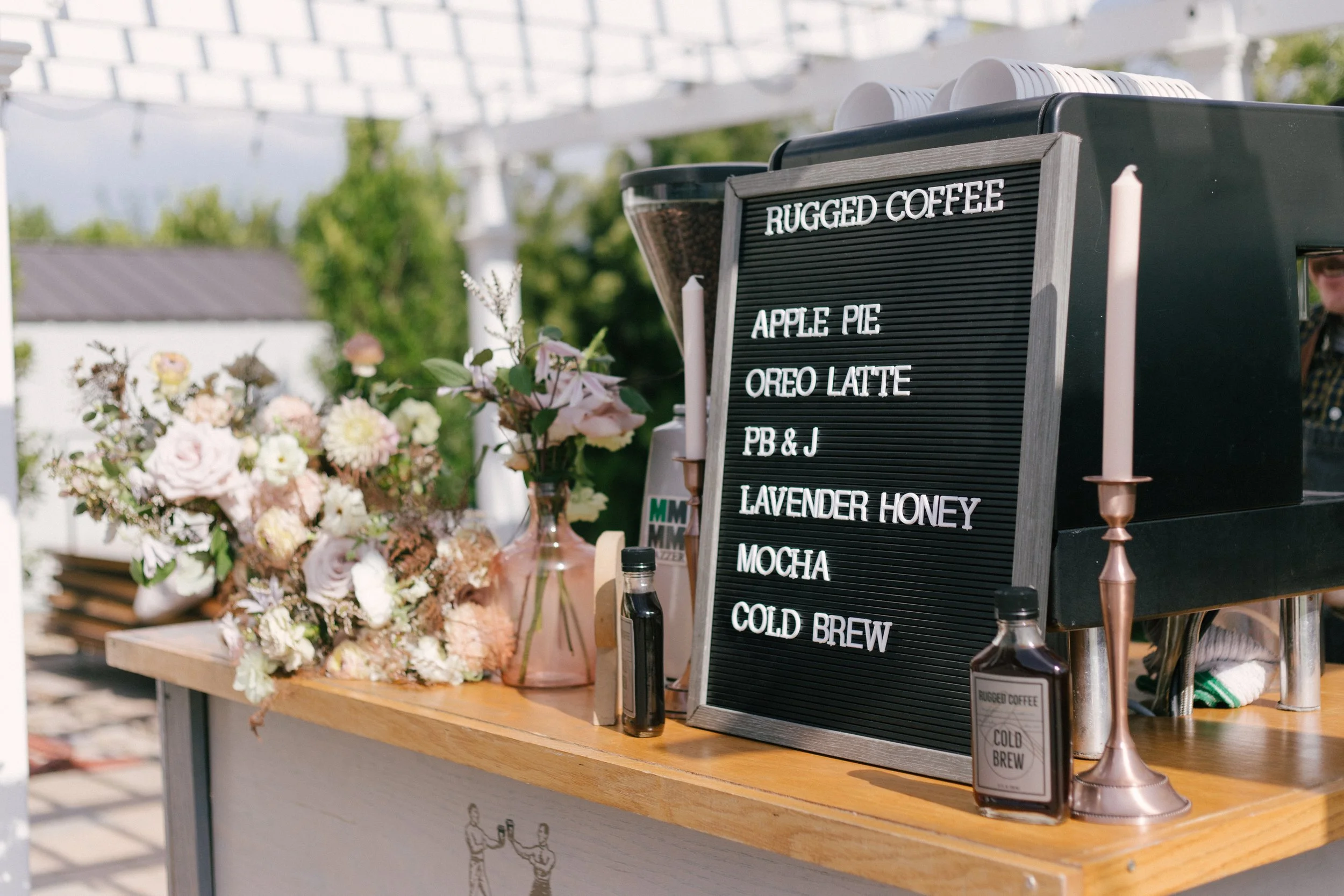
A beautifully executed coffee service—like a Rugged Coffee Co. espresso bar at a Temecula winery wedding or a mobile coffee cart at a Los Angeles rooftop reception—can turn the end of the night into a warm, grounded, memorable moment.
Guests leave feeling:
Cared for
Comfortable
Energized enough to get home safely
Emotionally complete
That’s not just good hospitality. That’s brand-building.
Smooth flow vs chaotic service: A side-by-side reality check
Let’s get concrete. Here’s what planners, venues, and hosts actually see on event day.
What smooth beverage flow looks like
No obvious lines: Guests move naturally, not in clumps.
Clear bar and coffee placement: People can see where to go without asking.
Staff who anticipate needs: Refills, restocks, and resets happen before they’re needed.
Service that feels fast but unhurried: Guests never feel rushed, but they also never feel forgotten.
Stations that stay clean and visually appealing: The bar and coffee cart look as good at 10 PM as they did at 5 PM.
Seamless transitions: Coffee appears when dessert appears. Signature cocktails appear when the dance floor opens.
What chaotic beverage service looks like
Crowded bar corners: Guests cluster and block pathways.
Bartenders in survival mode: No eye contact, no warmth, just stress.
Drinks running out: Ice, garnishes, or even core beverages disappear mid-event.
Coffee as an afterthought: A lonely urn in the corner with powdered creamer and no one tending it.
Bad timing: Bar closed during key moments, coffee late, water hard to find.
Guests don’t need to understand the logistics to feel the difference. They just know whether the event felt calm and curated—or messy and reactive.
How ease signals professionalism
Ease is one of the most powerful signals of professionalism.
When guests experience ease, they subconsciously credit:
The planner
The venue
The caterer
The host
The brand
For planners
If you’re a wedding planner or event designer in Southern California, smooth beverage flow makes you look like a genius.
Your couples don’t say, “The bar was well-staffed and strategically placed.” They say, “Everything just felt so smooth.”
That feeling is what leads to:
Referrals
Vendor recommendations
Venue partnerships
Repeat corporate clients
When you partner with a premium beverage catering team that understands flow—not just drinks—you’re protecting your reputation.
For venues
Guests rarely separate the bar experience from the venue experience.
If the bar is chaotic, they think:
“This venue is kind of disorganized.”
If the coffee cart is beautiful, efficient, and integrated into the space, they think:
“This venue really knows what it’s doing.”
That’s why more venues are partnering with specialized teams for mobile coffee catering, espresso bars, and elevated beverage service—because they know the guest doesn’t care who’s technically responsible. They just care how it felt.
For brides, grooms, and hosts
Couples and hosts pour time, money, and emotion into their events. They want their guests to feel loved, seen, and taken care of.
Beverage flow is one of the most tangible ways to communicate that.
No one wants their grandparents standing in line for coffee.
No one wants their friends waiting 20 minutes for a drink.
No one wants their guests wandering around asking, “Where do we get water?”
When the beverage experience is smooth, hosts look thoughtful and generous—even if they never touch a bar menu themselves.
For corporate brands
At corporate events, beverage flow becomes a direct reflection of the brand.
A tech company with a chaotic bar feels unprepared.
A luxury brand with a sloppy coffee station feels off-message.
A professional services firm with slow service feels inefficient.
On the flip side:
A well-run espresso bar at a conference says, “We care about details.”
A smooth beverage experience at a product launch says, “We’re polished and intentional.”
That’s why more corporate planners are searching for “corporate coffee catering Southern California”, “espresso bar for conferences Los Angeles”, and “premium beverage service for brand events”—because they know the drinks are part of the brand story.
Coffee parallel: Balanced coffee feels effortless. So do great events.
Coffee is the perfect metaphor for event flow.
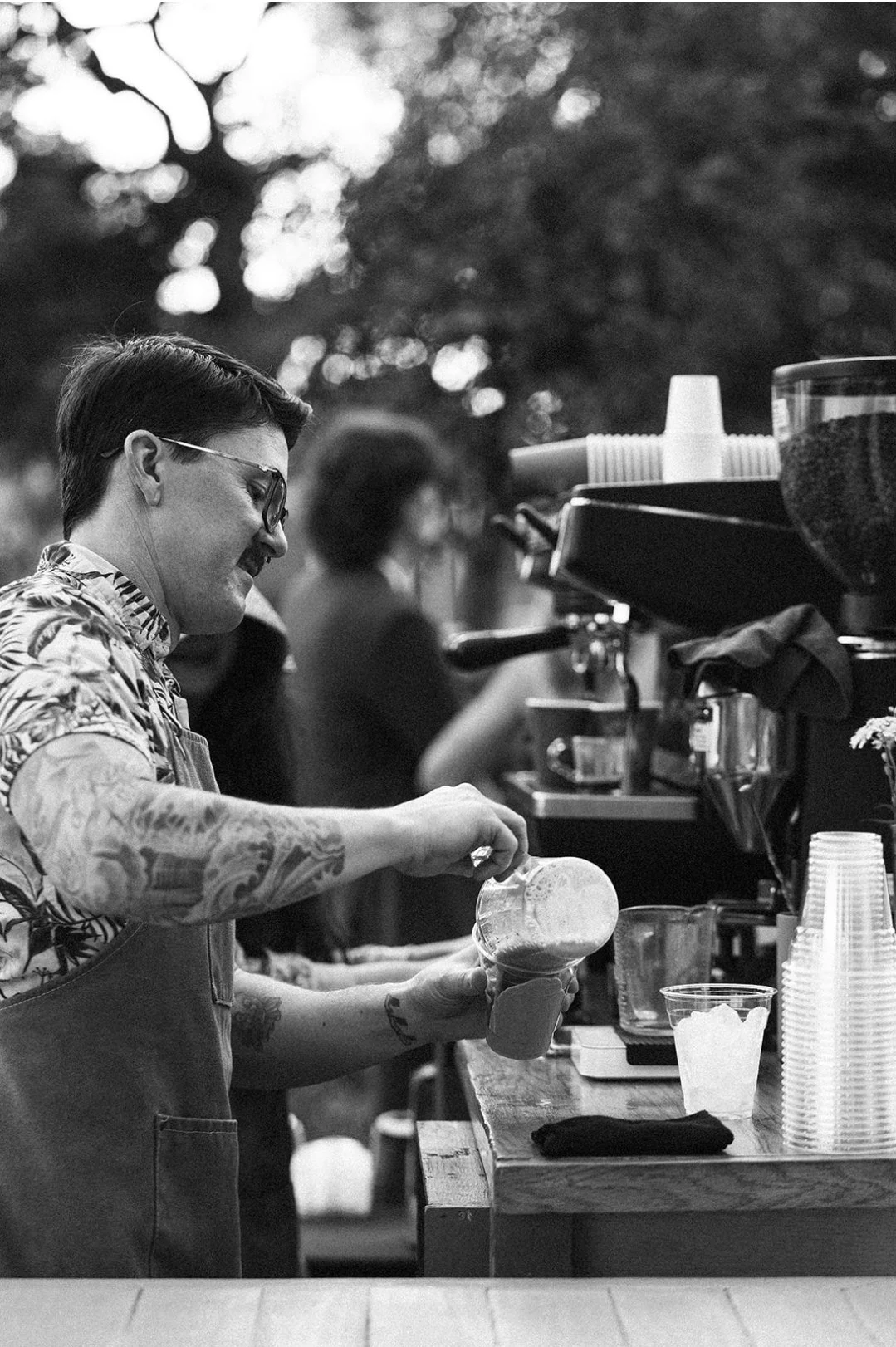
A truly balanced coffee doesn’t scream for attention. It doesn’t punch you in the face with acidity or bitterness. It doesn’t make you think about the grind size, the extraction time, or the water temperature.
It just feels right.
You take a sip and think:
“This is smooth.”
“This is good.”
“I could drink this all day.”
Great events are the same way.
Guests don’t think about:
How many bartenders were scheduled
How the coffee cart was powered
How the bar layout was designed
How the service staff communicated
They just think:
“That event felt amazing.”
“Everything flowed.”
“I never had to think about anything.”
That’s the goal.
Rugged Coffee tie-in: “Our goal is to make beverage service feel invisible—in the best way.”
At Rugged Coffee Co., that’s the standard.
We don’t just show up with a coffee cart and plug in an espresso machine. We design beverage flow.
Our philosophy:
If guests are thinking about how hard we’re working, we’ve missed the mark. If guests are thinking about how good they feel, we’ve nailed it.
We train our team not just in:
Espresso extraction
Milk texturing
Coffee sourcing
But also in:
Service choreography
Guest psychology
Event timing
Communication with planners and venues
We ask questions like:
Where will guests naturally walk?
When will they want coffee most?
How can we prevent lines before they form?
How can our setup complement the venue’s aesthetic?
That’s why planners and venues across Southern California bring us in for:
Wedding coffee carts at vineyards, estates, and coastal venues
Luxury mobile coffee catering for private events and brand activations
Espresso bars for corporate conferences, retreats, and VIP lounges
Late-night coffee service to keep the dance floor alive
Why beverage flow matters even more in Southern California
Southern California is its own ecosystem of events.
You’re not just dealing with a ballroom and a bar. You’re dealing with:
Outdoor venues with multiple levels
Long walking paths between ceremony and reception
Heat, sun, and sometimes wind or dust
Guests arriving from all over the region
High expectations for aesthetics and experience
Climate and comfort
On a hot day in Temecula, Palm Springs, or inland Orange County, beverage flow isn’t just about luxury—it’s about comfort and safety.
Water needs to be visible and abundant.
Cold beverages need to be accessible without long waits.
Coffee might need to be iced, not hot, during certain hours.
A Southern California beverage catering team that understands this will design service around hydration and comfort, not just aesthetics.
Movement and layout
Many SoCal venues are spread out:
Ceremony on a lawn
Cocktail hour on a terrace
Reception in a barn, hall, or tent
After-party by the pool or in a separate lounge
If the bar and coffee service don’t move with the guests—or at least anticipate where they’ll be—people end up walking back and forth, confused and frustrated.
That’s why mobile coffee carts and modular bar setups are so powerful here. They allow the beverage experience to follow the event’s emotional arc.
Aesthetic expectations
Southern California couples, brands, and hosts care deeply about how things look.
A coffee cart or bar isn’t just functional—it’s part of the visual story.
Rugged Coffee Co. builds setups that:
Photograph beautifully
Match modern, rustic, or minimal aesthetics
Integrate with florals, signage, and décor
Feel intentional, not like an add-on
“See examples of our setups at real Southern California events on our Conventions — Rugged Coffee.”
The anatomy of perfect beverage flow
So what does it actually take to design beverage flow that feels invisible, premium, and effortless?
1. Strategic placement
Where you put the bar or coffee cart matters as much as what you serve.
Too close to the entrance → bottlenecks.
Too far away → guests don’t find it.
In a corner → lines block pathways.
In the center of the action → it becomes a natural hub.
We look at:
Guest pathways
Photo angles
Sun exposure
Power access
Noise levels
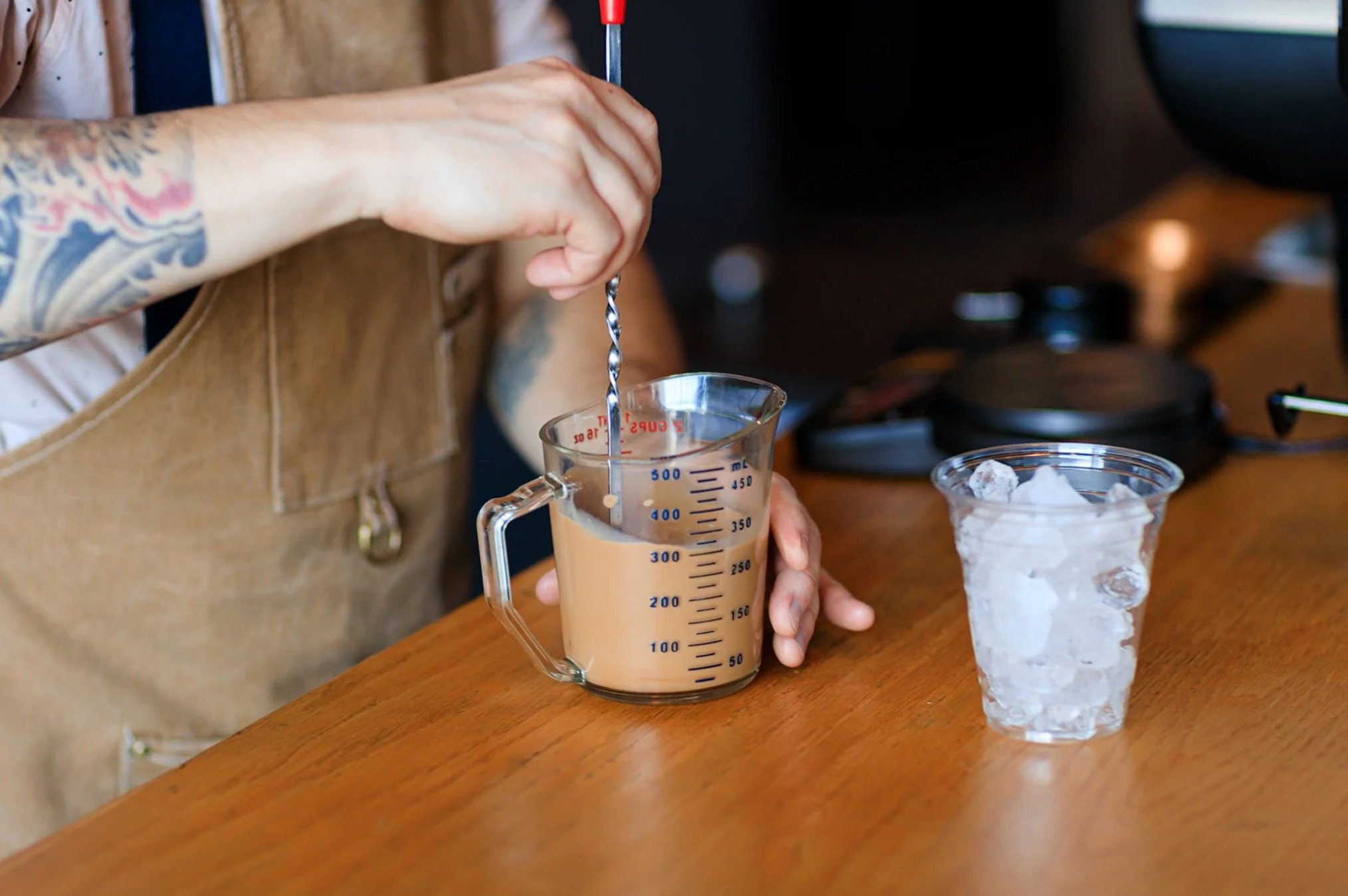
And then we place the espresso bar, coffee cart, or beverage station where it supports the event, not competes with it.
2. Smart staffing
Understaffing is the fastest way to ruin beverage flow.
A premium experience requires:
Enough baristas or bartenders to handle peak times
Support staff to restock, reset, and clean
A lead who communicates with the planner or coordinator
We don’t guess. We staff based on:
Guest count
Timeline
Service style (full espresso menu vs limited offerings)
Event type (wedding vs conference vs private party)
3. Menu design that supports flow
A beautiful menu that destroys flow is not a win.
We design beverage menus that:
Offer variety without slowing service to a crawl
Balance hot and cold options based on weather and time of day
Include signature drinks that can be executed quickly
Consider dietary needs (non-dairy milks, decaf, etc.)
For example, at a Southern California wedding, we might recommend:
A focused espresso menu (latte, cappuccino, americano, mocha)
One or two signature coffee drinks
Iced options for earlier in the day
Decaf available for later in the night
4. Communication with the event team
Perfect beverage flow doesn’t happen in isolation.
We sync with:
Planners
Coordinators
Caterers
DJs or bands
Venue managers
We ask:
“When are toasts?”
“When is dessert?”
“When do you expect the energy to shift?”
Then we time our service around those beats.
5. Guest psychology
Guests want:
To know where to go
To feel confident ordering
To feel seen and not rushed
To feel like they’re not in the way
We train our team to:
Make eye contact
Greet guests warmly
Offer suggestions
Keep the line moving without making people feel pushed
6. Aesthetic integration
In Southern California, your beverage service is part of the visual brand of the event.
We design our setups to:
Complement the venue
Match the event’s style (modern, rustic, industrial, coastal, etc.)
Look intentional in photos and video
Because when guests share content from the event, your beverage service is in the frame.
How beverage flow shapes brand perception
At the end of the day, beverage flow isn’t just about logistics. It’s about brand.
For couples: It reflects their taste, care, and hospitality.
For planners: It reflects their expertise and attention to detail.
For venues: It reflects their standards and partnerships.
For corporate hosts: It reflects their culture and professionalism.
A chaotic bar or neglected coffee station quietly erodes trust. A smooth, beautiful, intuitive beverage experience builds it.
Bringing it all together
Beverage flow is the quiet backbone of guest experience.
When it’s done well:
Guests feel relaxed, connected, and cared for.
The event feels premium and intentional.
The host, planner, and venue all look like heroes.
When it’s done poorly:
Guests feel stressed, thirsty, and overlooked.
The event feels disjointed.
The brand—whether personal or corporate—takes a hit.
At Rugged Coffee Co., our goal is simple:
Make beverage service feel invisible—in the best way. So guests don’t think about the logistics. They just remember how good it felt to be there.
“Ready to design an event where the drinks flow as beautifully as the night itself? Start your inquiry on our Reserve — Rugged Coffee.”