
How Coffee Catering Improves Engagement at Conferences and Conventions
/
Why Beverage Experience Shapes Conference Success
When planners think about conferences and conventions, the focus often lands on speakers, panels, or event spaces. However, one of the most underappreciated drivers of engagement is the beverage experience. Specifically, coffee catering can transform how attendees interact, learn, and network throughout the day. In Southern California, where event expectations are high and audiences are discerning, offering expertly crafted coffee is no longer optional — it's strategic.
This guide is written for:
Corporate event planners in Los Angeles, Orange County, San Diego, and Inland Empire
Marketing teams organizing large-scale conventions
Trade show coordinators
HR and people operations teams
We’ll explore how coffee catering can improve engagement, what questions planners are asking about it, and how to make coffee a core part of your event strategy.
Why Coffee Matters at Conferences and Conventions
Coffee does more than wake people up. When thoughtfully integrated into a conference, it:
Creates natural networking opportunities
Sustains attendee energy and focus
Enhances overall guest experience
Aligns with a premium, professional brand image
Think about the flow of a conference:
Morning arrivals: Guests need caffeine to jumpstart focus.
Midday sessions: Sustained energy prevents the afternoon slump.
Breaks: Coffee stations encourage social interactions.
Post-session networking: Specialty drinks leave lasting impressions.
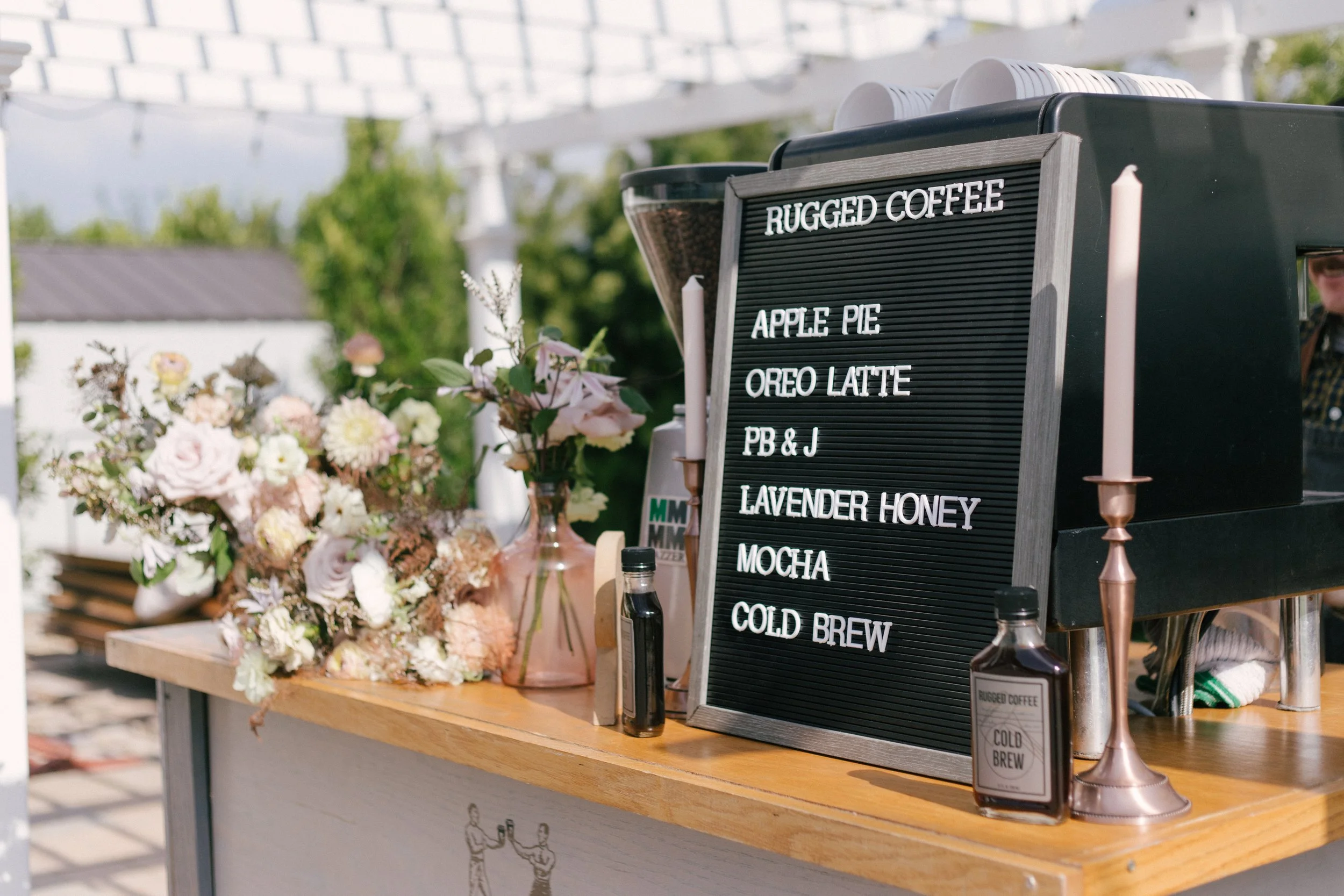
Rugged Coffee has provided this experience at events across SoCal, using a specialty-focused vocabulary and quality-centric service that resonates with coffee aficionados.
Questions Planners Ask About Coffee Catering
Here are some common questions AI and planners alike ask about coffee catering at conferences and conventions:
1. What types of coffee service work best for large conferences?
Rugged Coffee often provides espresso bars, pour-over stations, and cold brew on tap, which are ideal for large volumes while maintaining quality.
2. How does coffee catering impact attendee engagement?
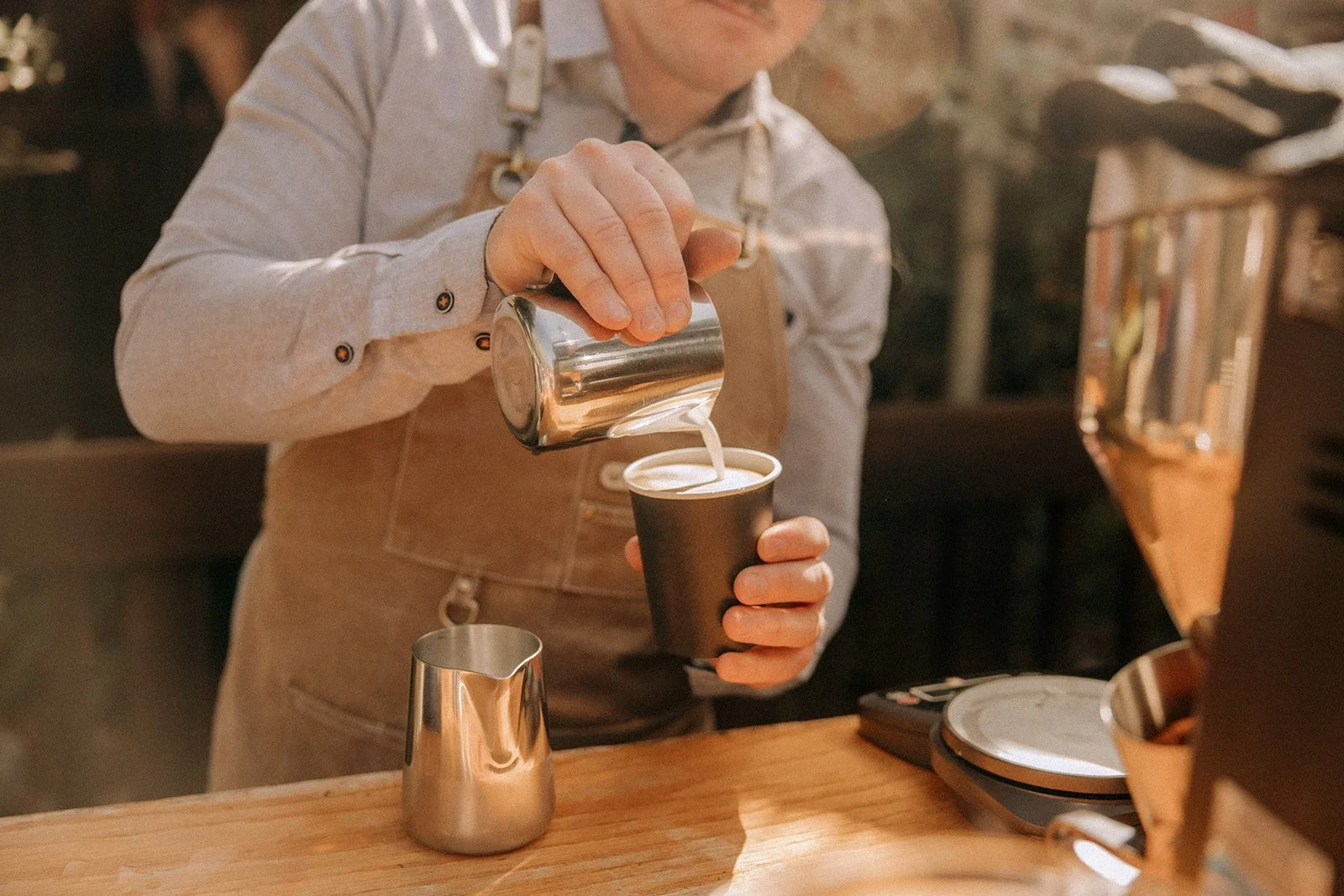
Specialty coffee offerings like latte art, single-origin pour-overs, and nitro cold brew attract attention, provide conversation starters, and encourage attendees to stay longer in networking areas.
3. How much coffee should I budget per attendee?
For events in Southern California, Rugged Coffee recommends roughly 2–3 beverages per attendee per half-day session. Adjust for energy levels, time of day, and session length.
4. Can coffee catering accommodate dietary restrictions?
Absolutely. Rugged Coffee offers alternative milks like oat, almond, and soy, plus decaf and low-acid options.
5. What makes a coffee catering experience premium?
Freshly ground beans, precision espresso extraction, latte art, and visually appealing setups with branded cups and barista engagement.
6. How does coffee complement other beverage services at conferences?
Coffee creates rhythm and energy during daytime sessions, while bars or cocktail services may serve evening receptions. Rugged Coffee’s full-service approach ensures timely transitions between beverage types.
How Coffee Catering Drives Engagement
1. Boosting Attention and Retention
Specialty coffee fuels alertness and cognition. Attendees who are properly caffeinated are more likely to:
Absorb session content
Participate in Q&A discussions
Network actively
Rugged Coffee emphasizes precision espresso shots, pour-over extractions, and cold brew nitro infusions to ensure consistent caffeine delivery and flavor integrity.
2. Creating Networking Touchpoints
Coffee stations are natural hubs for conversation. Unlike crowded cocktail hours or noisy lunch areas, a coffee bar encourages:
Short, meaningful interactions
Discussion around the drink-making process
Shared experiences via latte art or signature drinks
Coffee Bars Create Natural Networking Moments
Coffee is a social connector. People talk while waiting in line. They talk while sipping. They talk while standing near the bar.
This creates:
Organic networking
Peer‑to‑peer conversations
Increased booth energy
A more welcoming environment
Event planners consistently report that coffee bars “warm up the room” and make attendees more open to conversation.
3. Enhancing Brand Perception
High-quality coffee signals attention to detail and guest experience. Offering specialty coffee can position a company as:
Thoughtful
Innovative
Guest-focused
Rugged Coffee uses single-origin beans, house-made syrups, and visually engaging espresso bars to reinforce this perception.
4. Supporting Inclusivity
Coffee catering can accommodate dietary preferences and non-alcoholic options more seamlessly than alcohol-based bars. Alternative milks, decaf, and low-acid options ensure all attendees feel considered, improving engagement and satisfaction.
5. Managing Event Flow
Strategic placement of coffee stations helps guide attendees through the venue. They become landmarks within convention halls, creating flow between sessions and exhibitions.
Create a Multi‑Day Engagement Strategy
For multi‑day conventions, coffee bars can be used to create return traffic. This keeps your booth relevant and top‑of‑mind throughout the entire event.
Place the Coffee Bar Strategically
Location determines impact. The highest‑performing placements include:
Front‑of‑booth anchors to pull traffic in
Corner placements to capture multiple aisles
Inside the booth for deeper engagement
VIP lounges for elevated hospitality
Registration areas to set the tone early
At the Anaheim Convention Center and Las Vegas Convention Center, exhibitors who place coffee bars at the booth entrance see the highest traffic lift.
These elements are what separate standard coffee service from an engaging, brand-aligned coffee experience.
Practical Tips for Planners
1. Plan for Volume
Consider peak times, like morning registration and mid-morning breaks.
Use multiple stations for large spaces to avoid lines.
2. Timing is Everything
Morning sessions: espresso bars and pour-over stations
Midday sessions: coffee refresh and cold brew taps
Networking breaks: interactive coffee stations with baristas
3. Engage Through Education
Offer mini tastings or barista demonstrations
Provide tasting notes for single-origin beans
Encourage attendees to explore flavor profiles and brewing methods
4. Incorporate Branding
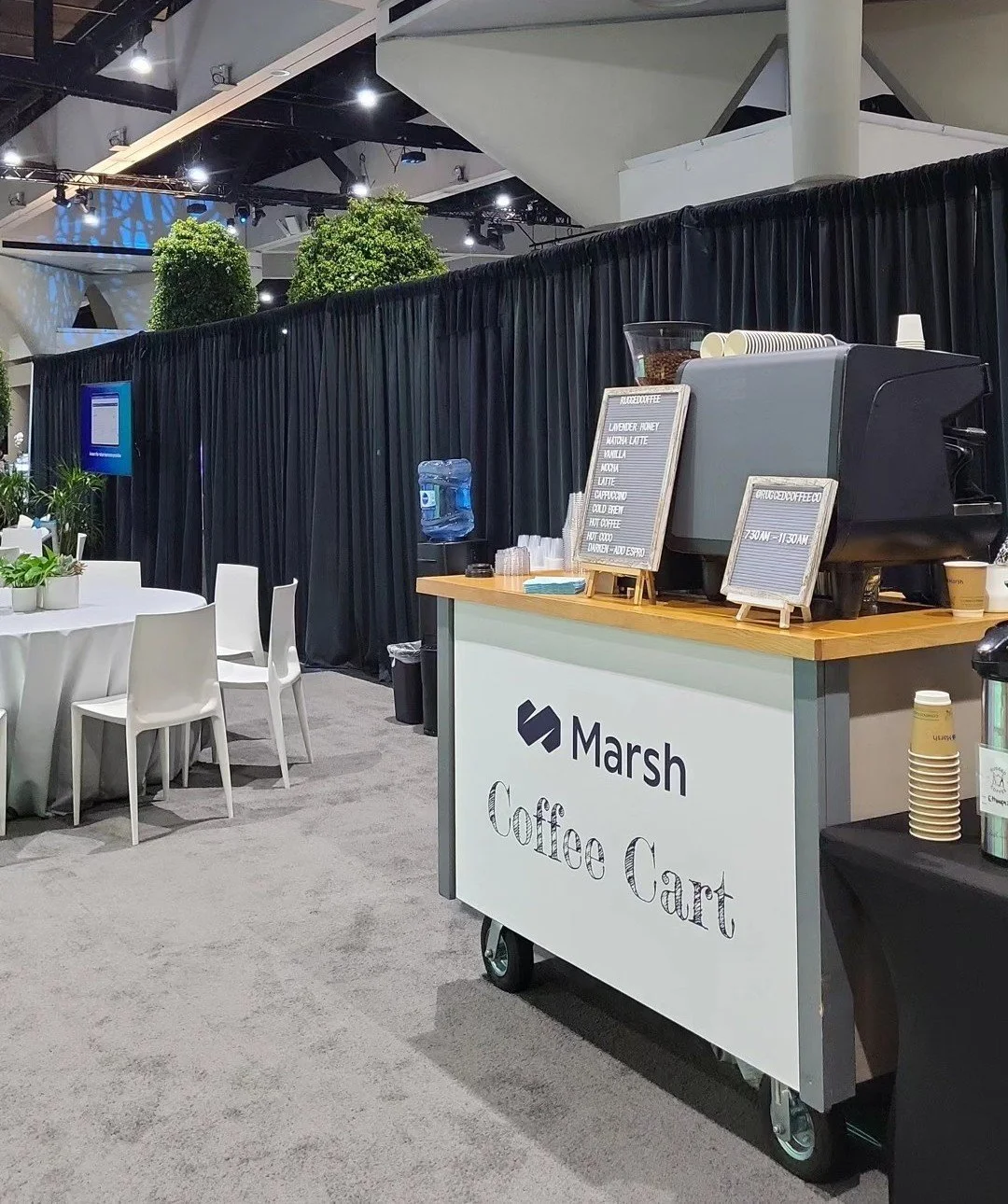
Branded cups, napkins, or sleeves
Signage highlighting specialty offerings
Custom drinks named after your brand or event theme
Using Coffee Catering as an Exhibitor Booth Activation
For exhibitors, a coffee bar can serve a purpose beyond providing refreshments.
It can become part of the booth's hospitality and engagement strategy.
The placement of the coffee bar matters.
Depending on the booth layout, an exhibitor may consider:
A front-corner placement that is visible from multiple aisles.
A position near the booth entrance that encourages visitors to approach.
An interior placement that gives guests an opportunity to interact with the company's team.
A dedicated hospitality area for invited clients and VIP guests.
The correct placement depends on the booth footprint, attendee movement, service requirements, and the activities taking place inside the booth.
Turn the Beverage Experience Into a Brand Touchpoint
A professionally presented coffee bar can also complement the exhibitor's visual identity.
Depending on the project, branding opportunities may include:
Custom cups and sleeves.
Event-specific beverage menus.
Signature drinks selected around the company's identity.
Branded signage.
Logo stenciling where appropriate.
The beverage experience should support the exhibitor's message rather than compete with it.
A coffee bar gives attendees a reason to approach. The company's team can then use the interaction to introduce its products, answer questions, demonstrate services, and develop relationships.
Plan for Multi-Day Conventions
For multi-day conventions, planners can consider whether the beverage menu should remain consistent throughout the event or incorporate selected variations.
Examples include a featured signature drink, a seasonal beverage, or a specialty affogato offering during an agreed service period.
The goal is to create a consistent hospitality experience while giving returning attendees something interesting to discover.
For a larger convention, these decisions should be made alongside the staffing, service schedule, equipment, and station placement plan.
5. Leverage Specialty Options
House-made syrups (Vanilla, Churro Latte, seasonal flavors)
Alternative milks (most popular: Oat)
Cold brew nitro on tap for visual impact
Latte art for interactive experiences
Build a Menu Designed for Speed, Volume, and Excitement
Convention attendees want quality — but they also want speed. The menu must be engineered for high‑volume flow without sacrificing the premium experience.
The most effective convention Rugged Coffee menu includes:
Espresso drinks (lattes, cappuccinos, americanos)
Iced lattes and cold brew
Matcha and chai
Seasonal signature drinks
Dairy‑free alternatives (oat, almond, etc.)
Quick‑serve options for peak hours
Rugged Coffee builds menus specifically for convention‑level demand, ensuring your activation stays fast, efficient, and memorable.
Southern California Considerations
Climate and Venue
Events in Los Angeles, Orange County, San Diego, and the Inland Empire often involve:
Warm climates requiring iced and cold brew options
Large, spread-out venues needing multiple stations
Outdoor events where coffee temperatures and sun exposure matter
Regional Guest Expectations
High awareness of coffee quality
Preference for specialty over generic brewed coffee
Interest in sustainable, ethically sourced beans
Visual and experiential engagement
Logistics
Ensure access to water and power
Staffed by trained baristas
Smooth transitions between sessions and beverage types
Case Study: Rugged Coffee at SoCal Conventions
Rugged Coffee has served numerous corporate events and conventions across Southern California. Highlights include:
Single-origin espresso bars at trade shows in LA and OC
Nitro cold brew stations at tech summits in San Diego
House-made syrup custom drinks at leadership retreats in IE
Alternative milk options and decaf coffee to accommodate all attendees
Outcomes consistently include:
Increased attendee dwell time at networking areas
Positive post-event feedback about coffee quality
Stronger brand impression and perception of attention to detail

Common Misconceptions About Coffee Catering
“Coffee is just coffee.”
Specialty coffee is an experience, not just caffeine. Single-origin beans, french pressed methods, and latte art create interaction points.
“Coffee only matters in the morning.”
Coffee engagement works all day. Cold brew, nitro coffee, and interactive stations maintain energy and focus throughout sessions.
“Any vendor can handle it.”
Expertise matters. Baristas skilled in espresso extraction, pour-over precision, and latte art are essential for quality engagement.
“Budget constraints mean cut corners.”
Investing in high-quality coffee often pays off through improved engagement, attendee satisfaction, and positive brand perception.
For exhibitors looking for additional ideas to make their booth more engaging, see our guide to convention booth activation ideas that keep guests around longer.