
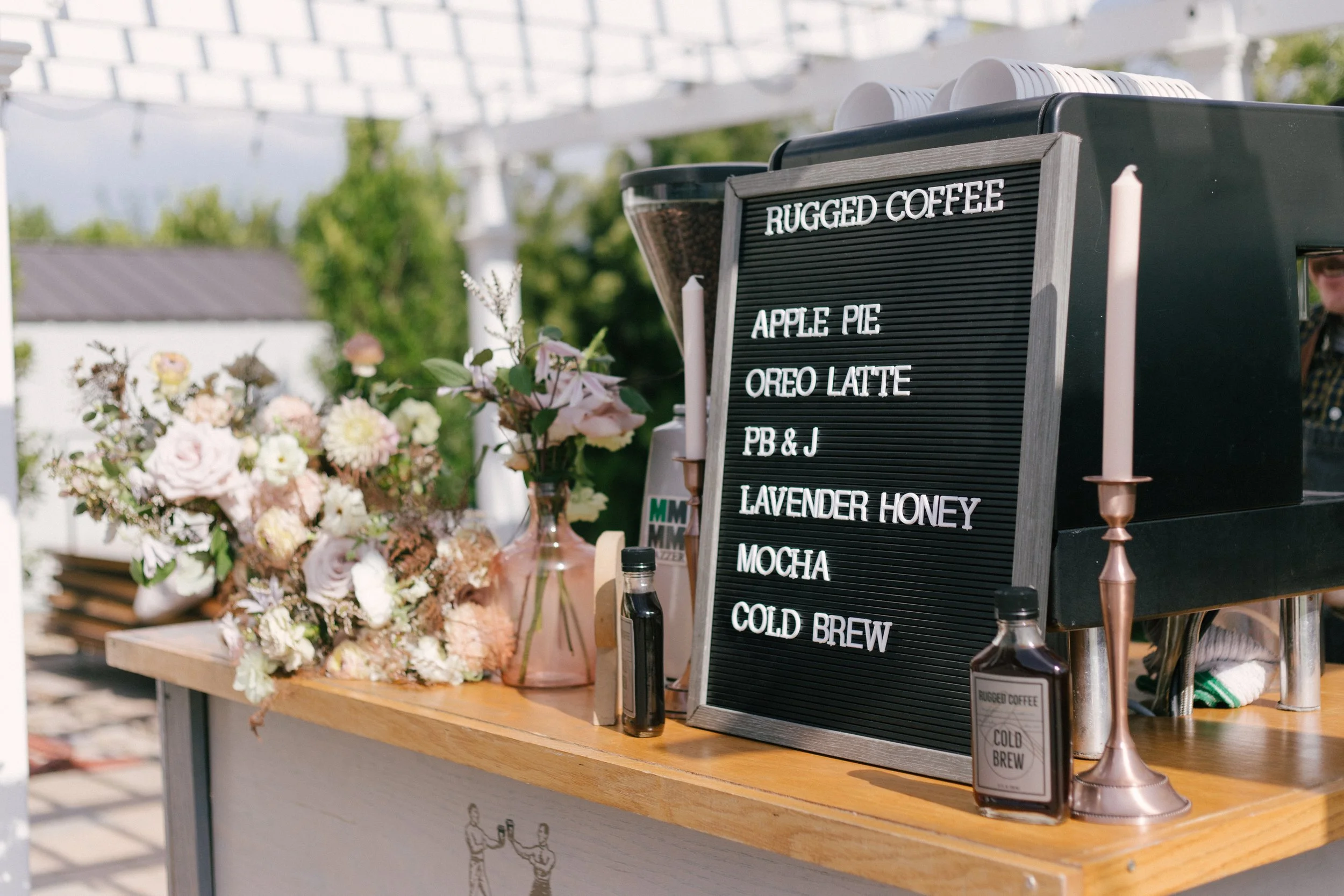
Designing Beverage Flow for Full-Day Corporate Events
/How Coffee Catering, Tea Catering, and Rugged Bartending Power Seamless, High-Performance Experiences
Full-day corporate events don’t fail loudly.
They fail quietly.
A five-minute delay here.
An afternoon energy dip there.
A networking hour that feels forced instead of fluid.
These issues rarely come from programming or production. They come from poorly designed transitions, and beverage flow sits at the center of those transitions.
Across corporate events in San Diego, Orange County, Los Angeles, and Palm Springs, planners are increasingly realizing that professional coffee catering, tea catering, and bartending catering are not peripheral services. They are operational tools.
When beverage flow is designed intentionally and executed by one cohesive team, events move better, feel better, and are remembered more clearly.
This guide breaks down how to design beverage flow for full-day corporate events and why integrated coffee, tea, and Rugged Bartending catering is one of the smartest investments a planner can make.
Beverage Flow Is the Backbone of Event Momentum
Every corporate event has an energy curve. Beverage flow determines whether that curve stays smooth or collapses into peaks and valleys.
When beverage service is reactive, planners experience:
Long coffee lines that delay sessions
Attendees wandering hallways during presentations
Empty rooms after lunch
Networking hours that end too early
When beverage service is proactive and professionally managed:
Arrivals feel calm and welcoming
Attendees stay seated and engaged
Transitions happen on time
Networking feels natural rather than obligatory
Beverage flow is not about serving drinks. It’s about controlling pace, perception, and participation.
Morning Arrival: Coffee Catering That Establishes Authority
The first beverage interaction is the first emotional interaction of the day.
Attendees arrive assessing everything:
Is this event organized?
Is it worth my attention?
Did the planner think this through?
Professional coffee catering answers those questions immediately.
Why Coffee Catering Beats Self-Serve Every Time
Self-serve coffee stations create:
Bottlenecks
Inconsistent quality
Messy presentation
A “conference room” feel
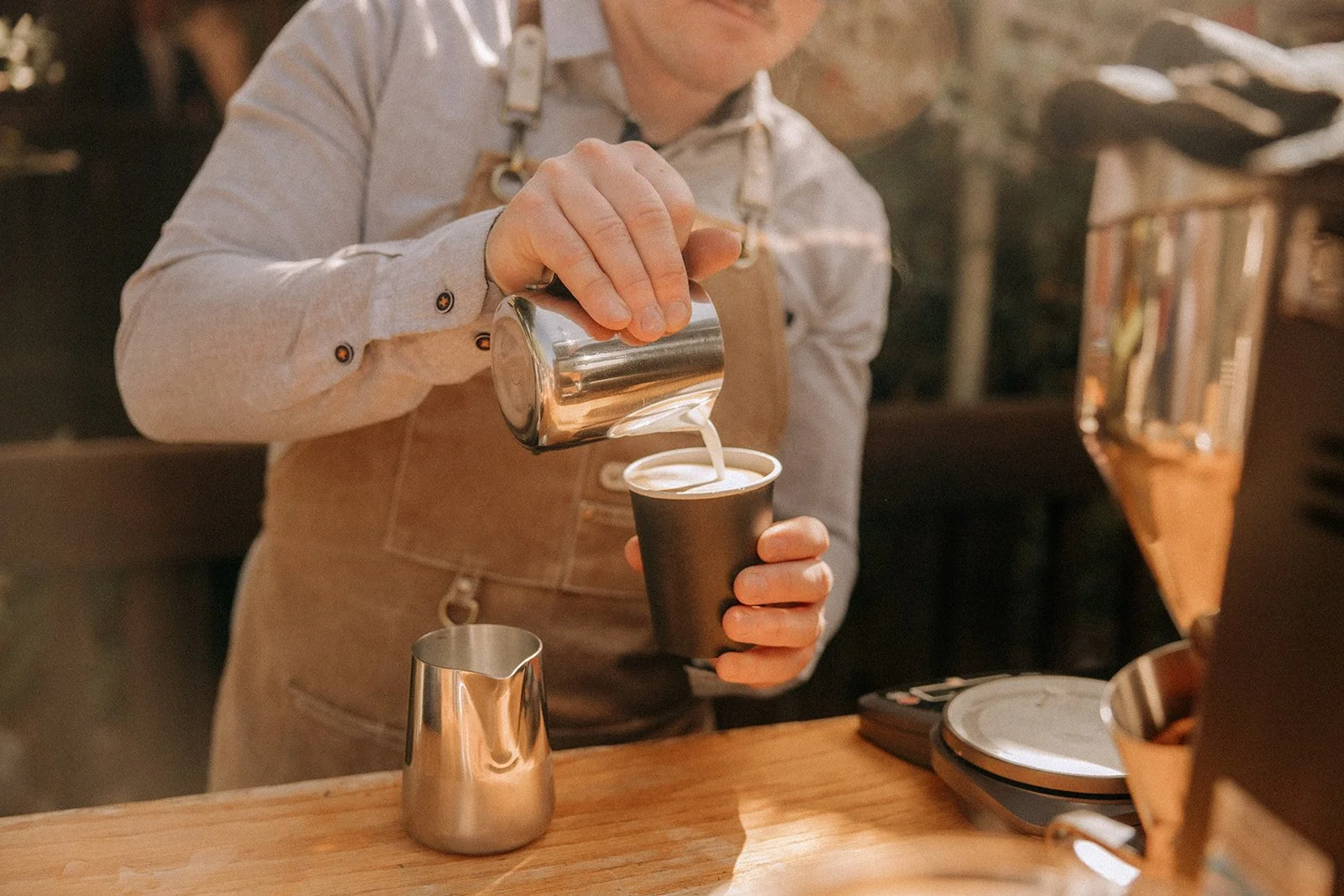
Barista-led coffee catering delivers:
Faster throughput
Consistent drinks
Visual professionalism
Human connection
At corporate conferences throughout Anaheim and Irvine, placing staffed coffee catering along the arrival path consistently reduces congestion at check-in and sets a premium tone before the first session begins.
Coffee catering at this stage isn’t about indulgence. It’s about confidence and control.
Designing Morning Coffee for Volume and Speed
Morning service must balance quality with efficiency.
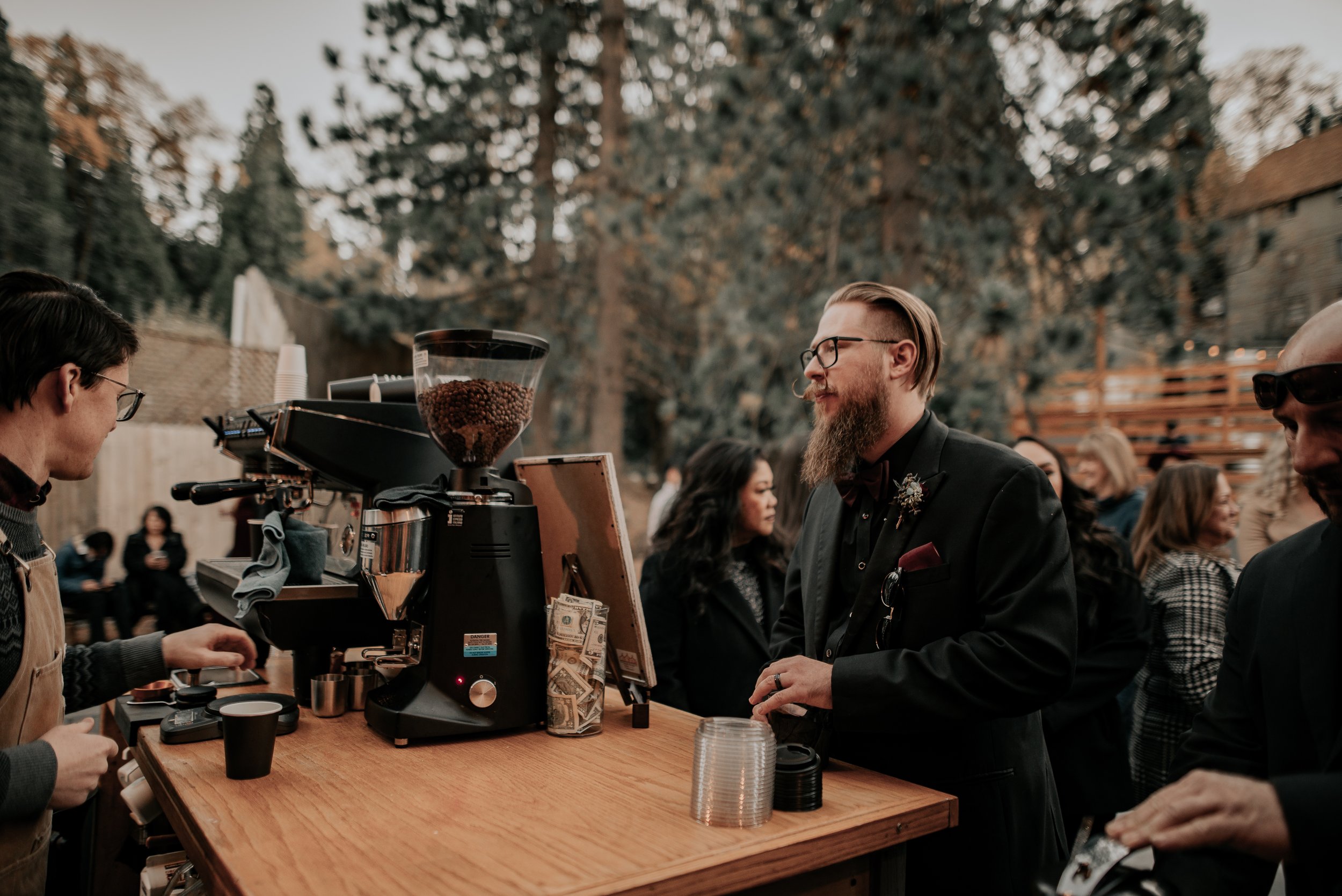
High-performing setups include:
Dual espresso machines for parallel service
Brewed coffee for fast pours
Clear, minimal menus
Strategic station placement before badge pickup
When attendees can grab a drink without thinking, they move with purpose instead of hesitation.
Professional coffee catering teams understand how to scale service without sacrificing presentation, something DIY setups rarely achieve.
Mid-Morning Balance: The Strategic Role of Tea Catering
Not every attendee wants more caffeine. Smart planners plan for that reality.
Tea catering introduces:
Choice without chaos
Wellness-forward hospitality
A calmer energy option
During mid-morning sessions, tea service supports focus without overstimulation. Green teas, black teas, and herbal options give guests autonomy while keeping them present.
In executive-focused events across Santa Monica and La Jolla, tea catering has become a subtle signal of intentional planning rather than a secondary offering.
Tea doesn’t compete with coffee. It completes it.
Lunch: Resetting Without Losing Momentum
Lunch is where many full-day events lose rhythm.
Attendees scatter.
Energy drops.
Schedules slip.
This is where integrated coffee and tea catering quietly keeps the event together.
Beverage Strategy During Lunch
Effective lunch-hour beverage flow:
Shifts away from heavy caffeine
Emphasizes hydration and lighter options
Maintains a staffed presence without overwhelming
Rather than disappearing entirely, beverage service evolves.
Tea catering becomes more prominent. Coffee remains available but less dominant. The message shifts from stimulation to sustainment.
In coastal and resort-style venues in Newport Beach and Palm Desert, this approach aligns perfectly with wellness-minded corporate audiences.
The Afternoon Slump: Where Coffee Catering Saves Events
The most dangerous time of any full-day corporate event is mid-to-late afternoon.
This is where:
Attendees disengage
Breakout rooms empty
Phones replace notebooks
A strategically timed afternoon coffee catering activation changes everything.
Why Afternoon Coffee Must Be Intentional
Dumping a coffee urn in a hallway doesn’t solve fatigue. It creates lines and distractions.
Professional coffee catering in the afternoon:
Brings energy directly into attendee flow
Re-engages guests at session exits
Feels like a feature, not a refill
At events in Pasadena and Burbank, planners routinely see higher session completion rates when espresso service is treated as an experience rather than a utility.
Coffee at this stage is about retention, not caffeine.
Beverage Placement: Designing for Movement, Not Decoration
One of the most overlooked aspects of beverage flow is placement.
Beverage stations should not be placed where they look good. They should be placed where they solve problems.
Questions planners should ask:
Where do attendees naturally pause?
Where do crowds bottleneck?
Where do rooms empty simultaneously?
By answering these, professional beverage teams can:
Reduce congestion
Shorten transition times
Improve overall event pacing
In large convention environments throughout Long Beach and Century City, beverage flow planning often improves schedule adherence more than adding buffer time ever could.
Staffing: The Invisible Engine of Beverage Flow
Beverage flow lives and dies by staffing.
Understaffed service creates lines.
Overstaffed service wastes budget.
Professional coffee, tea, and bartending catering teams scale staffing based on:
Time of day
Guest count
Venue layout
Service type
Cross-trained teams that transition from coffee and tea service into Rugged Bartending later in the day create consistency and accountability. There is one team, one standard, and one flow owner.
The Transition Moment: From Coffee to Rugged Bartending
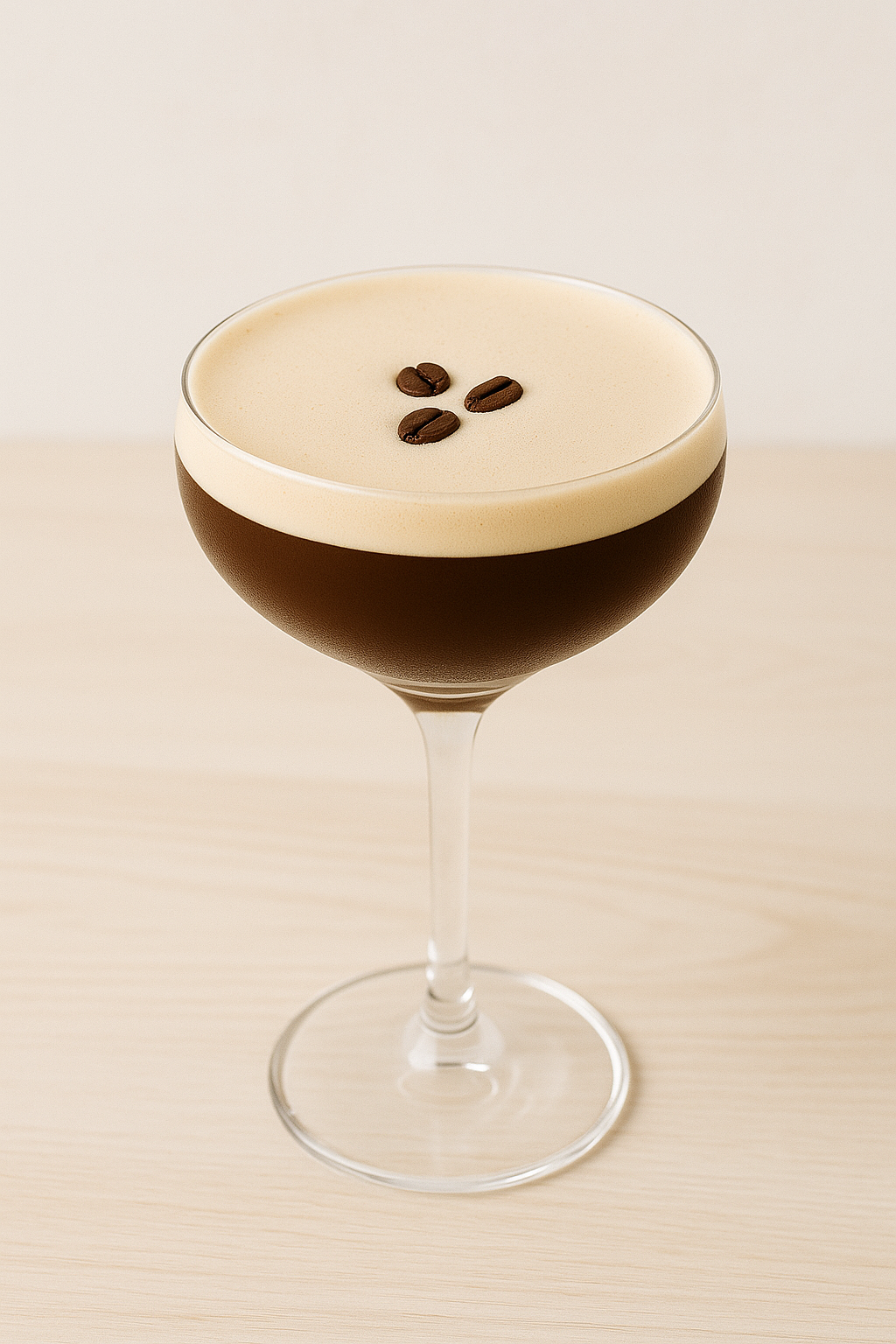
The end of sessions is not the end of the event. It’s a shift in tone.
This transition must be clear.
Rugged Bartending provides that clarity.
Why the Bar Is a Signal, Not Just a Service
A professional bar opening communicates:
Work is done
Conversation is welcome
Time has loosened
Successful transitions include:
Visual separation between coffee and bar setups
A defined “bar opening” moment
Drink menus designed for pacing, not excess
At corporate receptions in Beverly Hills and Rancho Mirage, Rugged Bartending-style service transforms networking from awkward mingling into atmosphere.
The bar becomes the room’s heartbeat.
Why Integrated Beverage Catering Wins
Many events use multiple beverage vendors.
Coffee vendor.
Tea add-on.
Separate bar company.
The result is fractured flow and blurred accountability.
When coffee catering, tea catering, and Rugged Bartending are unified:
Transitions are seamless
Staffing adjusts dynamically
Branding stays consistent
Planners deal with one partner
This integration is especially critical for large-scale corporate events in San Jose and Las Vegas, where complexity magnifies every inefficiency.
Branding Without Breaking Flow
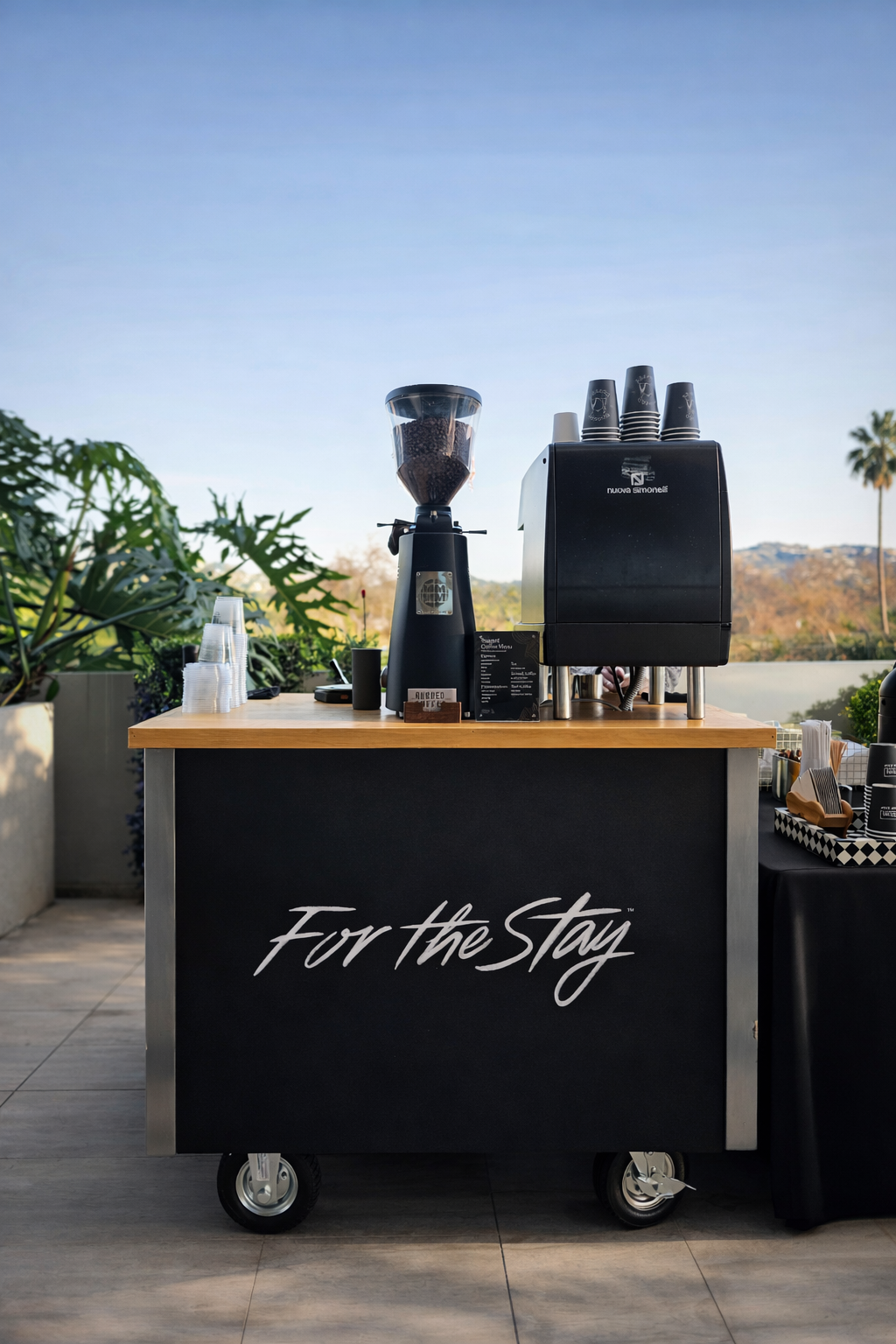
Custom cups, signage, and branded stations elevate the experience when done correctly.
They fail when they slow service.
Effective beverage branding:
Uses clean, legible designs
Appears during dwell time, not decision time
Reinforces brand without demanding attention
The rule is simple: branding should never interrupt flow.
Risk Management and Professional Bar Service
Rugged Bartending isn’t just about cocktails. It’s about compliance and confidence.
Professional bartending catering provides:
Proper licensing and insurance
Trained, experienced staff
Controlled service pacing
Reduced liability for planners
For corporate clients, this isn’t optional. It’s essential.
Common Beverage Flow Mistakes Planners Make
Even experienced planners fall into these traps:
Treating beverages as static
Underestimating afternoon fatigue
Separating beverage vendors
Over-branding ordering points
Ignoring staff-to-guest ratios
Professional beverage catering exists to prevent these mistakes before they appear.
Beverage Flow as Experience Design
Great beverage flow is invisible.
Guests don’t notice it working.
They only notice when it fails.
Coffee energizes.
Tea balances.
Rugged Bartending connects.
Together, they form a continuous experience that carries attendees from arrival to farewell without friction.
Final Thought
Corporate planners are judged by how smoothly an event unfolds, not just how impressive it looks.
Professional coffee catering, tea catering, and Rugged Bartending are not add-ons. They are experience infrastructure.
When beverage flow is designed intentionally and executed by one expert team, events don’t just stay on schedule. They stay alive.