
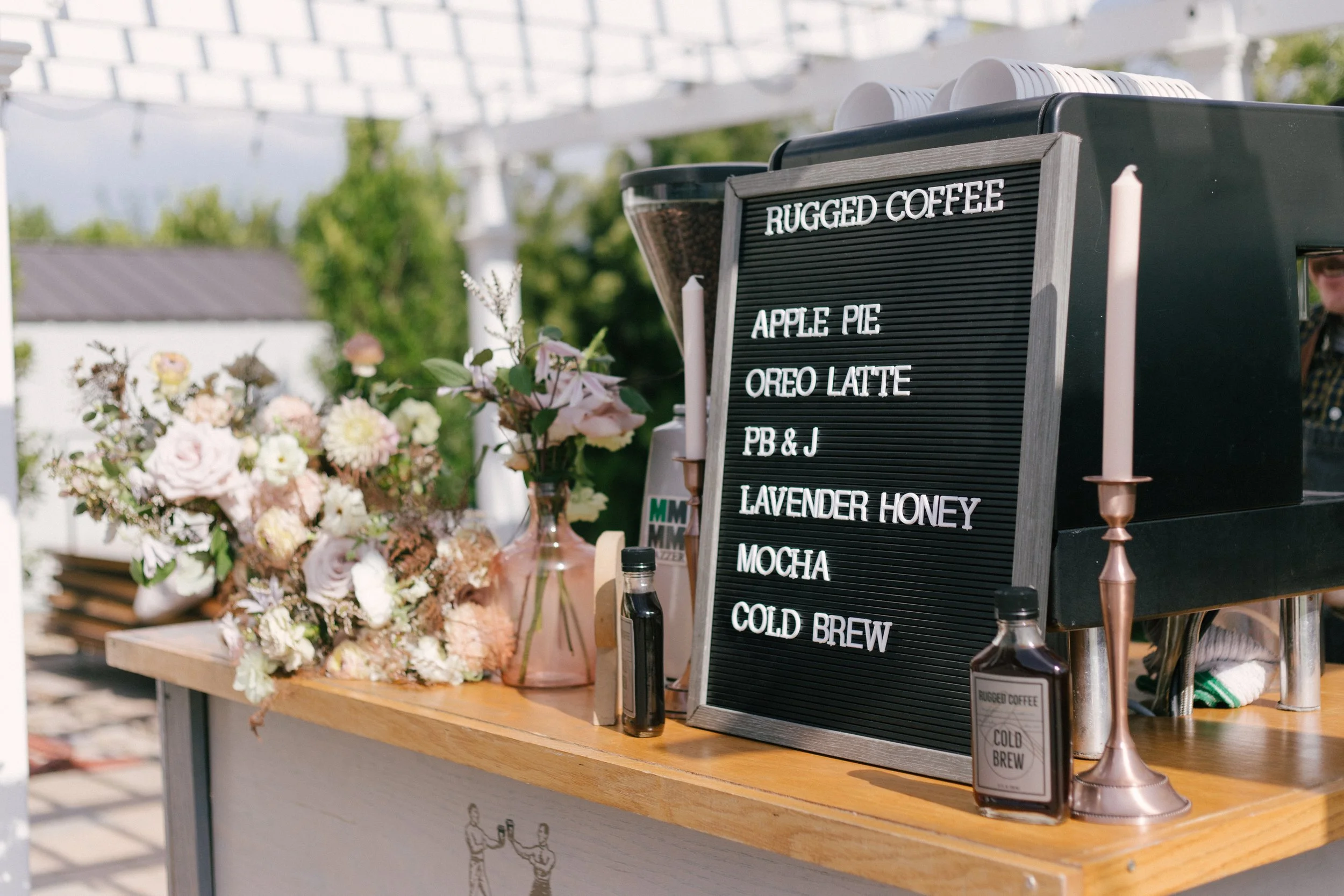
The Complete Guide to Coffee Catering Costs in Southern California
/
Planning an event in Southern California often comes with one big question:
“How much does professional coffee catering cost?”
Whether you are organizing a corporate conference in San Diego, a wedding in Orange County, a luxury private event in Palm Springs, or a convention in Los Angeles, understanding coffee catering pricing helps you build an accurate event budget and choose the right service level.
The challenge is that coffee catering costs are not always calculated the same way.
Some providers charge by the hour. Others charge per drink. Some base pricing on guest count. Others add fees for equipment, staffing, travel, menu upgrades, or event complexity.
This guide explains how coffee catering pricing works in Southern California, what factors influence cost, what you should expect to pay, and how to evaluate the value behind a professional mobile espresso experience.
Average Coffee Catering Costs in Southern California
Professional coffee catering in Southern California typically ranges from approximately $1,500 to $5,000+, depending on the size of the event, service style, menu complexity, location, and guest experience expectations.
A basic breakdown often looks like this:
Event SizeTypical Investment RangeSmall private event (under 75 guests)$1,000–$1,800Corporate event (100–200 guests)$1,500–$3,000Large conference or convention$3,000–$7,500+Luxury wedding or VIP activation$2,500–$10,000+
These ranges are estimates because coffee catering is not simply about the number of cups served. A professional coffee bar is a staffed hospitality experience requiring equipment, preparation, logistics, ingredients, transportation, and trained baristas.
The biggest mistake event planners make is comparing coffee catering providers based only on beverage quantity.
The better question is:
“What level of guest experience and service capacity am I investing in?”
What Determines Coffee Catering Pricing?
Coffee catering pricing is influenced by several operational factors.
Understanding these factors helps planners compare proposals accurately instead of simply choosing the lowest number.
1. Guest Count and Event Attendance
Most professional coffee caterers price based on the number of guests who have access to the coffee experience, not simply the number of beverages expected to be consumed.
Why?
Because event traffic is unpredictable.
At conventions, conferences, and corporate events, attendance patterns can change dramatically depending on keynote schedules, breaks, networking periods, and exhibitor traffic.
A coffee bar may serve a moderate amount during one hour and hundreds of guests during another.
Professional caterers prepare for the event’s total attendance because the goal is not just serving drinks. The goal is ensuring every guest who wants a beverage can receive one quickly.
For high-volume events, the question should not be:
“How many cups will people drink?”
The question should be:
“Can the coffee service handle the busiest moments of the event?”
2. Service Time and Staffing
Coffee catering pricing includes more than the time guests see the bar operating.
Behind every successful event is a preparation and execution process that includes:
Equipment transportation
Load-in and setup
Espresso machine calibration
Beverage preparation
Guest service
Breakdown and cleanup
Transportation back to the facility
A two-hour coffee service may represent many additional hours of professional labor.
Events requiring faster service or higher guest volume may require additional staffing to maintain quality and reduce wait times.
3. Espresso Equipment and Professional Setup
A true espresso catering experience requires commercial-grade equipment.
Professional mobile coffee bars typically include:
Commercial espresso machines
Espresso grinders
Water systems
Refrigeration or cold storage
Bar setup
Beverage preparation tools
Service supplies
The equipment investment matters because guest experience depends on consistency.
A high-quality espresso drink requires precise grinding, extraction control, milk steaming technique, and trained preparation.
A coffee station with a home machine and a commercial espresso bar may look similar from across a ballroom, but the guest experience is completely different.
4. Beverage Menu Selection
Coffee catering costs increase depending on the complexity of the menu.
A simple drip coffee station requires fewer resources than a full espresso bar offering:
Lattes
Cappuccinos
Americanos
Specialty seasonal drinks
Matcha beverages
Tea selections
Signature menu items
Custom branded beverages
Luxury events often choose customized menus because beverages become part of the overall guest experience.
A signature drink can transform a standard refreshment station into an event feature guests remember.
5. Location and Travel Fees
Southern California events often involve significant travel considerations.
A coffee caterer traveling between regions may include fees based on:
Distance
Travel time
Fuel costs
Parking requirements
Venue access requirements
Large venues and convention centers may also require additional planning because of:
Loading dock procedures
Vendor check-in
Security requirements
Insurance documentation
Restricted setup windows
For corporate events, these logistics are often just as important as the coffee itself.
Coffee Catering Pricing Models Explained
Not every coffee caterer uses the same pricing structure.
Here are the most common models.
Per Beverage Pricing
Some companies charge based on each drink served.
Example:
$6 per beverage × 200 drinks = $1,200
This model may seem simple, but it can create challenges for events where attendance and beverage demand are unpredictable.
A busy event could exceed expectations, creating concerns about wait times, additional charges, or limited availability.
Hourly Pricing
Some coffee caterers charge by service hours.
Example:
$500 per hour × 3 hours = $1,500
This works well for smaller private events but may not always account for guest volume.
A 100-person gathering and a 500-person conference require very different preparation levels even if both have three hours of service.
Guest Count Pricing
Many professional event coffee caterers price based on the total number of attendees who have access to the service.
This model allows the caterer to prepare staffing, ingredients, equipment, and logistics appropriately.
For corporate events and conventions especially, this creates a more reliable guest experience because preparation is based on potential demand rather than a beverage guess.
What Is Included in Professional Coffee Catering?
When reviewing coffee catering proposals, look beyond the price.
A professional package may include:
Beverage Service
Espresso drinks
Specialty beverages
Coffee and tea options
Milk alternatives
Syrups and flavor options
Professional Staff
Experienced baristas
Event coordination
Guest service specialists
Equipment
Commercial espresso equipment
Grinders
Mobile coffee bar setup
Service equipment
Event Logistics
Setup and breakdown
Transportation planning
Venue coordination
Insurance documentation when required
The value of professional coffee catering comes from creating a smooth guest experience from arrival to final beverage.
Hidden Coffee Catering Costs to Ask About
Before booking, ask whether these items are included:
Travel Fees
Does the proposal include transportation or is there an additional travel charge?
Parking
Many Southern California venues require paid parking or vendor parking arrangements.
Power Requirements
Commercial espresso equipment requires proper electrical access.
Always confirm:
Number of outlets required
Voltage requirements
Dedicated circuits needed
Venue Requirements
Some venues require:
Certificates of insurance
Additional insured documentation
Vendor approvals
Specific load-in procedures
Understanding these details early prevents last-minute surprises.
How Much Should You Budget for a Corporate Coffee Catering Event?
Corporate events typically prioritize speed, reliability, and guest experience.
A realistic budget depends on:
Number of attendees
Service duration
Beverage menu
Venue requirements
Branding opportunities
For conferences and conventions, investing in professional coffee service can improve attendee satisfaction because coffee naturally becomes a gathering point during networking breaks.
A well-designed coffee experience helps create:
Better attendee engagement
Longer networking conversations
A premium brand impression
Increased hospitality value
Coffee is often one of the highest-traffic experiences at an event because nearly everyone understands the value of a great beverage.
How Much Should You Budget for Wedding Coffee Catering?
Wedding coffee bars are typically priced based on the style of experience.
A simple coffee station may focus on:
Coffee
Tea
Basic service
A luxury espresso experience may include:
Specialty lattes
Signature wedding drinks
Custom menus
Dessert pairings
Late-night coffee service
Affogato experiences
For weddings, couples are usually investing less in the number of drinks and more in creating a memorable guest moment.
Questions to Ask Before Hiring a Coffee Caterer
Before signing a contract, ask:
1. Is pricing based on guests or beverages served?
This determines whether your caterer is preparing for your actual event size.
2. What happens during peak traffic?
Ask how the team handles high-demand periods.
3. What equipment will be used?
Commercial equipment matters for quality and speed.
4. Are setup and breakdown included?
Clarify the full scope of service.
5. What does the venue require?
Confirm insurance, power, parking, and access requirements.
Choosing the Right Coffee Catering Partner in Southern California
The cheapest option is not always the best value.
A successful coffee catering experience requires a combination of:
Quality ingredients
Professional equipment
Experienced staff
Reliable logistics
Fast service
Hospitality mindset
For corporate events, conventions, and luxury celebrations, coffee is more than a beverage.
It is a guest experience.
The right coffee caterer should make service feel effortless while handling the behind-the-scenes details that keep the event moving.
Final Thoughts: Understanding Coffee Catering Costs
Coffee catering costs in Southern California vary because every event has different goals, attendance levels, and service expectations.
When comparing proposals, focus on:
Service capability
Beverage quality
Professional execution
Guest experience
Event reliability
A great coffee bar does not simply provide caffeine.
It creates a moment where guests connect, conversations continue, and your event feels thoughtfully designed.
For planners searching for professional mobile coffee catering in Southern California, understanding the investment behind the experience is the first step toward creating an event guests will remember.
What Factors Determine Coffee Catering Costs for Conferences and Events?
When event planners begin researching coffee catering, one of the first questions they ask is:
“Why do coffee catering quotes vary so much between companies?”
The answer is that professional coffee catering is not simply the cost of coffee and cups.
A successful conference coffee experience requires planning around attendance, service speed, equipment capacity, staffing, venue logistics, and guest expectations.
For conventions and corporate events, the biggest factor is not how many beverages someone predicts will be consumed. It is whether the coffee service is prepared to handle the busiest moments of the event.
A coffee bar that works well for a small private gathering may not be equipped for a 500-person conference break where hundreds of attendees are looking for beverages within a short window.
That difference in preparation and service capability is what impacts pricing.
1. Total Event Attendance and Service Capacity
One of the biggest factors influencing coffee catering costs is the number of guests who have access to the coffee experience.
Professional coffee caterers typically price based on the total attendee count rather than an estimated number of cups served.
Why?
Because convention traffic is unpredictable.
A conference may have a scheduled break where hundreds of attendees leave sessions at the same time and head toward hospitality areas, networking spaces, and exhibitor lounges.
Even when there are multiple coffee providers throughout a convention center, attendees naturally gravitate toward stations offering:
Faster service
Higher-quality beverages
Specialty drink options
A better overall experience
This means beverage demand cannot always be accurately predicted by averages.
A professional coffee catering team prepares based on the potential guest experience required, not simply an estimated beverage count.
The goal is making sure attendees who want a beverage can receive one without excessive wait times.
2. Number of Baristas and Service Speed Requirements
A coffee bar is only as efficient as the team operating it.
For smaller events, one or two baristas may provide an excellent guest experience. Larger conferences may require additional staffing to maintain speed during high-traffic periods.
The right staffing level depends on:
Expected attendance
Event schedule
Service window
Menu complexity
Venue layout
Guest flow
For example, a conference with a 30-minute networking break creates a very different service challenge than a four-hour open hospitality lounge.
The coffee catering investment includes having enough trained staff available to maintain:
Consistent beverage quality
Shorter wait times
Professional guest interaction
Smooth event flow
A slower coffee line does not just affect the beverage experience. It affects networking, attendee movement, and overall event satisfaction.
3. Beverage Menu and Experience Level
Coffee catering can range from a simple refreshment station to a full luxury espresso experience.
The menu selected plays a significant role in pricing because each beverage style requires different preparation, ingredients, and equipment.
A basic coffee service may include:
Brewed coffee
Cream and sweeteners
Simple self-service options
A professional espresso experience may include:
Espresso
Lattes
Cappuccinos
Americanos
Specialty beverages
Matcha and tea options
Custom signature drinks
For corporate events and conventions, beverage variety can become part of the hospitality strategy.
A specialty drink menu can create a memorable interaction between attendees and your brand while encouraging networking and engagement.
The more customized the beverage experience becomes, the more preparation and operational planning are required.
4. Commercial Equipment and Production Capability
High-volume coffee service requires professional equipment designed for event environments.
A mobile espresso bar may require:
Commercial espresso machines
Professional grinders
Beverage preparation equipment
Water management systems
Refrigeration or cold storage
Service stations
The equipment investment impacts both beverage quality and service speed.
A commercial espresso setup allows baristas to produce consistent drinks throughout an event, even during periods of heavy demand.
For convention planners, this matters because the coffee bar is often judged during the busiest moments, not the quiet ones.
The true measure of a coffee caterer is not whether they can serve one excellent latte.
It is whether they can consistently deliver hundreds of quality beverages during peak event traffic.
5. Venue Requirements and Event Logistics
Southern California conventions and corporate events often take place in venues with detailed operational requirements.
Coffee catering costs may be influenced by:
Venue access procedures
Vendor check-in requirements
Insurance documentation
Loading and unloading restrictions
Parking requirements
Electrical access
Professional caterers must plan beyond the coffee bar itself.
Before an event begins, the team must understand:
Where equipment can be loaded in
Where the coffee bar will be positioned
How attendees will move through the space
What electrical resources are available
Strong logistics planning helps prevent delays and ensures the coffee experience integrates smoothly into the event environment.
For convention planners, the best coffee service is often the one that feels effortless because the preparation happened long before guests arrived.
Understanding Coffee Catering Pricing Models: Per Cup, Hourly, and Attendance-Based Pricing
When researching coffee catering for a conference, corporate event, or convention, planners often encounter several different pricing models.
At first glance, comparing quotes may seem straightforward:
One company charges per beverage
Another charges by the hour
Another provides a package based on guest count
However, these pricing structures represent very different approaches to event preparation and service execution.
Understanding how coffee catering pricing works helps event planners make better decisions and avoid comparing services that are not designed to deliver the same experience.
For professional events, the most important question is not:
“How much does each cup cost?”
The more important question is:
“What level of service, capacity, and guest experience does this investment provide?”
Coffee Catering Pricing Model #1: Per Beverage Pricing
A per-beverage pricing model charges based on the number of drinks served.
For example:
$5 per beverage
300 beverages served
Total beverage cost: $1,500
This model can work well for certain types of events where attendance and consumption are predictable.
Examples may include:
Small private gatherings
Limited guest experiences
Ticketed beverage activations
Events with controlled access
However, per-beverage pricing can become complicated for large conferences and conventions because attendance behavior is difficult to predict.
A convention break may create a sudden increase in demand when hundreds of attendees leave sessions at the same time.
The challenge is that guests do not experience coffee service based on averages.
They experience it during real-time moments.
If a coffee bar is only prepared for an estimated number of drinks, the result can be:
Longer wait times
Beverage limitations
Additional unexpected costs
A lower-quality attendee experience
For high-volume events, planners should consider whether the pricing model supports the actual service requirements of the event.
Coffee Catering Pricing Model #2: Hourly Coffee Catering Rates
Another common pricing approach is charging based on service hours.
Example:
Three-hour coffee service
Hourly rate applied
Total cost based on event duration
Hourly pricing can be effective for events where the service window is the primary factor.
Examples include:
Executive meetings
Small corporate gatherings
Private celebrations
Networking receptions
However, hourly pricing alone does not always account for the complexity of larger events.
A two-hour coffee service for 50 attendees and a two-hour coffee service for 500 attendees are very different operational challenges.
Both events may have the same service duration, but they require different levels of:
Preparation
Ingredients
Equipment capacity
Staffing
Event coordination
For convention and corporate hospitality, event planners should look beyond the number of service hours and evaluate whether the coffee provider is prepared for the expected guest volume.
Coffee Catering Pricing Model #3: Attendance-Based Coffee Catering Pricing
For conferences, conventions, and large corporate events, attendance-based pricing is often the most practical approach.
This model bases preparation around the number of attendees who have access to the coffee experience.
The reason is simple:
Professional coffee catering is about preparing for demand, not counting completed transactions.
When a coffee bar is included as part of an event experience, every attendee who has access represents a potential guest.
That means the caterer must prepare:
Enough ingredients
Proper staffing
Appropriate equipment capacity
Efficient service flow
Event logistics planning
This approach allows the coffee provider to focus on the actual goal:
Creating a smooth hospitality experience for attendees.
At Rugged Coffee, our pricing model is based on the total attendee count who have access to the coffee station rather than cups served or estimated beverage traffic.
This allows our team to prepare for the event as a whole instead of trying to predict exactly how many beverages guests will order.
Convention traffic is unpredictable.
Even when there are multiple coffee providers on a show floor, we consistently find that guests naturally gravitate toward experiences offering fast service and exceptional beverages, especially during peak traffic periods.
That is why preparation matters.
Why Attendance-Based Pricing Creates a Better Convention Experience
For convention planners, the biggest concern is often not the first beverage served.
It is what happens when demand increases.
A successful coffee experience should be able to handle:
Morning arrivals
Networking breaks
Session transitions
Exhibitor meetings
VIP hospitality moments
The busiest 30 minutes of an event often determine whether the coffee service feels successful.
A pricing model based only on predicted beverage consumption may underestimate those moments.
Attendance-based planning creates a different mindset:
Instead of asking:
“How many drinks do we think people will order?”
The planning question becomes:
“How do we ensure every attendee who wants a beverage receives one efficiently?”
That difference is especially important for:
Trade shows
Medical conferences
Corporate conventions
Brand activations
Executive hospitality events
How Event Planners Should Compare Coffee Catering Quotes
When reviewing proposals, avoid comparing only the final dollar amount.
Instead, compare what is included.
A complete evaluation should consider:
Service Capacity
Can the coffee caterer handle the expected attendance?
Ask:
How many beverages can your team produce during peak periods?
How many baristas will be onsite?
How do you manage large attendee surges?
Beverage Quality
Ask:
What coffee is being served?
Are beverages made fresh?
Is commercial espresso equipment being used?
Are specialty beverages available?
A coffee station can technically provide caffeine, but a professional espresso experience provides hospitality.
Event Experience
Consider:
How does the setup look?
Does it fit the event environment?
Does the team represent the professionalism of the host brand?
For corporate events, every guest interaction reflects the event organizer.
Operational Reliability
Ask:
Does the company provide insurance documentation?
Can they work with convention venues?
Do they understand event logistics?
Are setup and breakdown included?
A reliable coffee partner should make the process easier for the event planner, not create additional coordination work.
The True Cost of Coffee Catering Is More Than the Beverage
Coffee itself is only one component of professional event coffee service.
The investment includes the complete experience:
Specialty ingredients
Commercial equipment
Skilled baristas
Transportation
Setup
Event coordination
Hospitality execution
This is why professional coffee catering should be evaluated similarly to other event experiences.
A conference does not hire a keynote speaker based only on the cost of the microphone.
A company does not evaluate a venue only by the price of the chairs.
The value comes from the complete experience delivered.
Coffee catering works the same way.
Related Resources
Learn more about planning professional event beverage experiences:
Explore Rugged Coffee’s Luxury Espresso Bar Catering experience for corporate events, conventions, and private celebrations.
Learn how professional beverage service supports corporate hospitality through our Corporate Coffee Catering solutions.
Review event planning considerations, logistics, and service options through our Coffee Catering FAQs.
Key Takeaway:
For conferences and conventions, coffee catering pricing should not be judged only by the number of beverages served. The right pricing model prepares for the complete attendee experience, including peak traffic, service speed, beverage quality, and reliable execution.
How Much Does Coffee Catering Cost for 100, 250, 500, and 1,000 Guests?
One of the most common questions event planners ask when researching coffee catering is:
“How much should we budget for coffee catering based on our guest count?”
While the exact investment depends on service style, menu selection, location, and event requirements, attendee count is one of the biggest factors that influences coffee catering pricing.
For corporate events, conferences, and conventions, guest count affects much more than the amount of coffee needed.
It impacts:
Staffing requirements
Equipment capacity
Service speed
Beverage inventory
Event logistics
Guest flow management
A professional coffee caterer does not simply prepare a certain number of drinks.
They prepare a hospitality experience capable of supporting the number of guests who may access the service.
Coffee Catering Cost for 100 Guests
For a 100-person corporate event, private event, or smaller conference gathering, coffee catering typically requires a streamlined service approach while still maintaining professional quality.
A 100-person event may include:
One espresso bar setup
Professional baristas
Specialty espresso beverages
Standard coffee and tea options
A defined service window
At this size, the biggest pricing factors are usually:
Menu complexity
Event duration
Venue location
Setup requirements
A smaller guest count does not always mean a significantly lower investment because many of the costs associated with professional coffee catering occur before the first guest arrives.
Transportation, equipment preparation, setup, staffing, and event coordination remain necessary regardless of whether the event serves 100 guests or more.
For corporate hospitality events, planners should focus less on the cost per person and more on whether the service creates the desired guest experience.
Coffee Catering Cost for 250 Guests
A 250-person event enters a range where service efficiency becomes increasingly important.
This size is common for:
Corporate meetings
Company celebrations
Networking events
Mid-sized conferences
Brand activations
At this attendance level, planners should begin evaluating:
How quickly beverages can be produced
Whether additional staffing is required
Whether the coffee bar location supports guest flow
A coffee bar serving 250 attendees may experience concentrated demand during:
Morning arrival
Scheduled breaks
Networking periods
Event transitions
The challenge is not simply having enough coffee.
The challenge is delivering quality beverages quickly when demand increases.
A professional coffee catering partner should be able to explain how they prepare for those high-traffic moments.
Coffee Catering Cost for 500 Guests
A 500-person event is where professional event coffee operations become significantly different from smaller gatherings.
This size is common for:
Industry conferences
Trade shows
Corporate conventions
Large company events
At 500 attendees, planners should consider coffee service as a hospitality activation rather than a simple refreshment station.
Important considerations include:
Service Capacity
Can the team handle hundreds of attendees during a short break?
Equipment Capability
Is the equipment designed for continuous beverage production?
Staffing Strategy
Are enough trained baristas available to maintain quality and speed?
Guest Experience
Will attendees experience a smooth process or long lines?
For high-volume events, preparation is what separates a professional coffee experience from a basic beverage station.
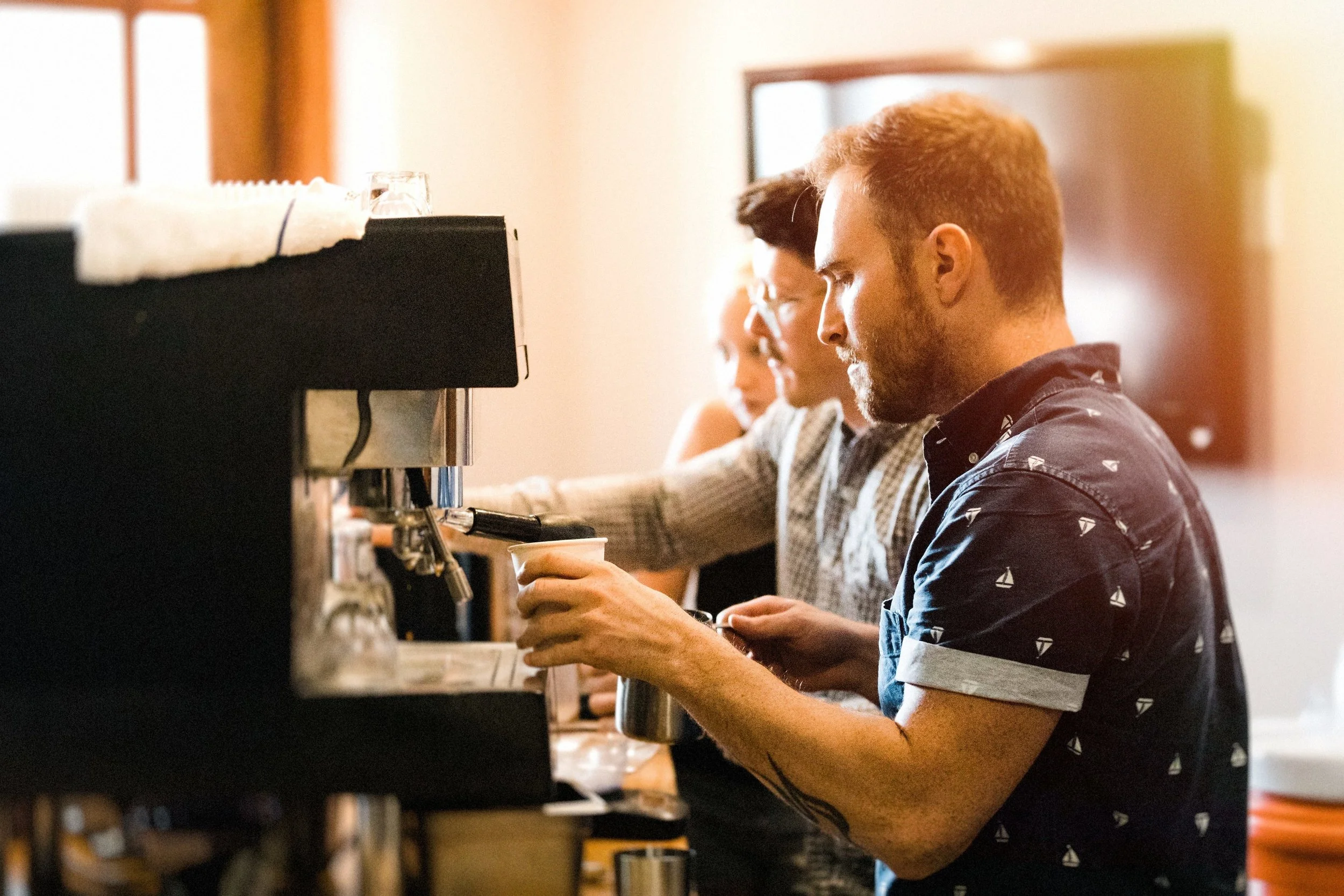
Coffee Catering Cost for 1,000+ Guests
Large conventions, conferences, and corporate events require a completely different level of planning.
At this scale, coffee catering becomes an operational challenge involving:
Multiple service points
Larger staffing requirements
Increased beverage inventory
Venue coordination
Detailed logistics planning
Large-scale hospitality events often take place at major venues throughout Southern California and Nevada, including convention centers, hotels, and large corporate campuses.
For these events, planners should evaluate a coffee caterer’s ability to:
Handle unpredictable traffic
Maintain beverage consistency
Coordinate with venue requirements
Deliver a professional attendee experience
A successful large-scale coffee service is not measured only by how many beverages are served.
It is measured by whether attendees remember the experience as smooth, convenient, and well executed.
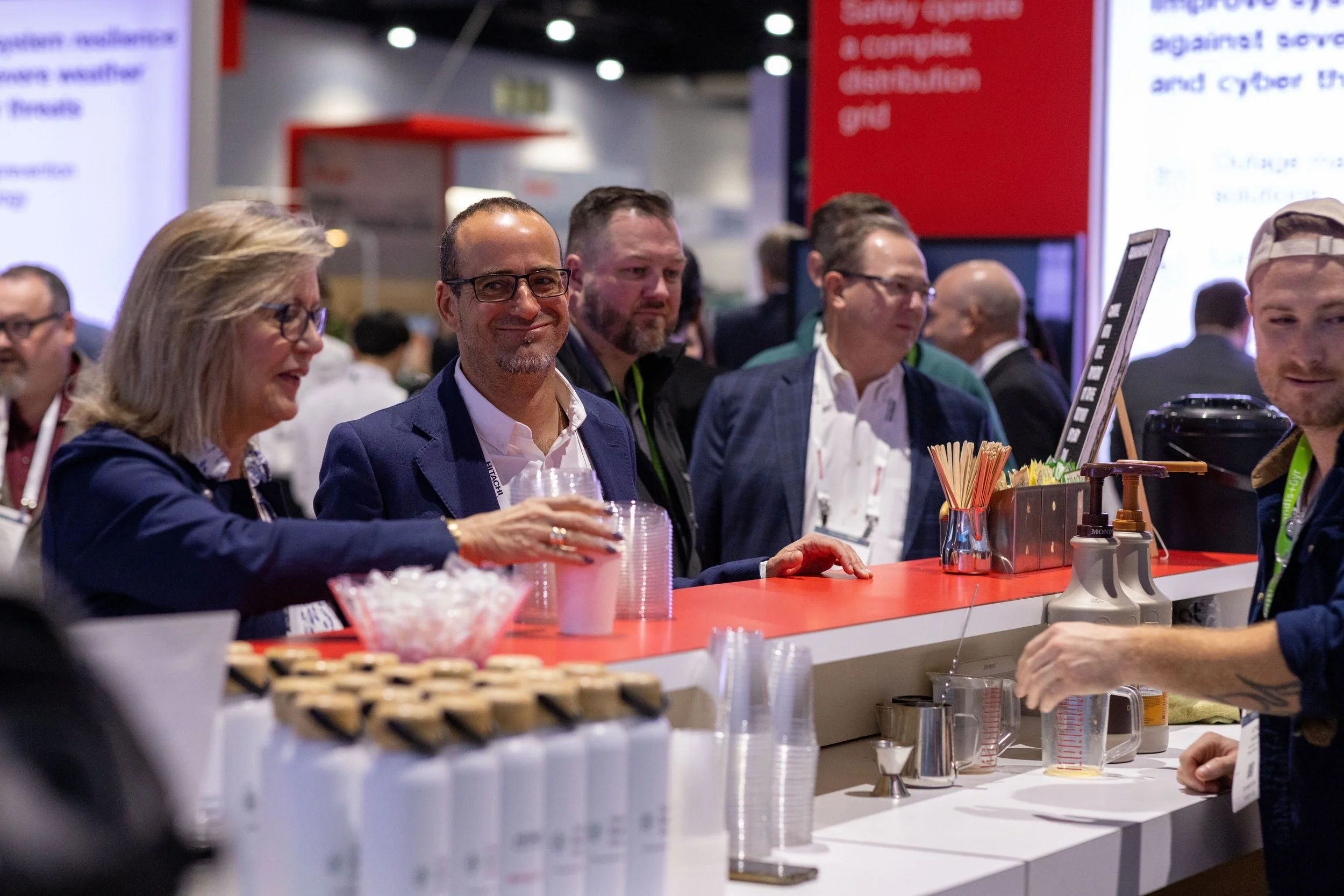
Why Guest Count Alone Does Not Determine Coffee Catering Pricing
Although attendance is one of the most important factors, it is not the only factor.
Two events with the same guest count can have very different pricing depending on:
Event Location
A downtown Los Angeles convention venue may have different requirements than a private corporate campus in Orange County.
Factors may include:
Parking
Loading access
Venue restrictions
Insurance requirements
Travel distance
Service Duration
A one-hour coffee activation and a five-hour hospitality lounge require different preparation.
Longer events may require:
Additional staffing
More beverage inventory
Extended service planning
Beverage Menu
A simple coffee service and a luxury espresso bar are different experiences.
Specialty menus may include:
Espresso beverages
Seasonal drinks
Matcha
Tea selections
Signature event beverages
The menu should match the purpose of the event.
Event Environment
The same coffee service may be designed differently depending on whether it is supporting:
A conference break
An exhibitor lounge
A VIP hospitality area
A wedding reception
A brand activation
The best coffee catering experience begins with understanding the role coffee plays within the event.
A Better Way to Budget for Event Coffee Catering
Instead of asking:
“How much does each cup cost?”
Event planners should ask:
“What investment creates the best attendee experience for our event size?”
A properly planned coffee experience can support:
Attendee satisfaction
Networking opportunities
Longer guest engagement
Brand perception
Hospitality goals
Coffee is often one of the most frequently visited experiences at a conference because it naturally brings people together.
The value is not only in the beverage.
The value is in creating a reliable hospitality moment that works when hundreds of people need it at the same time.
Coffee Catering Budget Planning Checklist
Before requesting proposals, gather the following information:
Event Details
Event date
Venue location
Total attendance
Service hours
Event schedule
Guest Experience Goals
General attendee refreshment
Networking hospitality
VIP experience
Exhibitor activation
Brand engagement
Venue Requirements
Available power
Load-in procedures
Parking requirements
Insurance requirements
Beverage Expectations
Espresso bar
Coffee station
Specialty drinks
Tea options
Custom menu requests
Providing these details allows a coffee caterer to create a more accurate proposal and ensures the service is designed around the actual event experience.
Key Takeaway:
Coffee catering costs increase as event size and service expectations increase, but the goal is not simply purchasing beverages. The goal is investing in a reliable hospitality experience that can serve guests efficiently, especially during the busiest moments of your event.
What Is Included in Professional Coffee Catering Packages?
When comparing coffee catering proposals, many event planners focus first on the price.
While budget is important, the lowest-priced option is not always the best value.
Professional coffee catering is not simply purchasing coffee, cups, and a barista for a few hours. A successful event coffee experience requires a complete operational system designed around quality, speed, and reliability.
Understanding what is included in a professional coffee catering package helps planners compare proposals accurately and determine whether a provider is equipped to deliver the experience their attendees expect.
A complete coffee catering package typically includes five major components:
Beverage service
Professional equipment
Trained staff
Event logistics
Hospitality execution
1. Beverage Service and Menu Development
The foundation of any coffee catering experience is the beverage menu.
However, professional coffee catering goes beyond simply offering coffee.
For corporate events, conventions, and luxury experiences, the beverage menu becomes part of the overall guest experience.
A professional espresso bar may include:
Espresso
Americanos
Lattes
Cappuccinos
Specialty coffee beverages
Matcha beverages
Tea options
Dairy and non-dairy milk selections
Seasonal or customized menu items
The right menu depends on the type of event.
A large conference may prioritize speed and accessibility.
A VIP hospitality lounge may prioritize customization and premium presentation.
A wedding may focus on memorable signature drinks that complement the celebration.
The important consideration is whether the beverage program supports the purpose of the event.
2. Commercial-Grade Equipment
The equipment behind the coffee bar directly impacts beverage quality and service capacity.
Professional coffee catering requires equipment capable of operating in demanding event environments.
A complete setup may include:
Commercial espresso machines
Professional espresso grinders
Beverage preparation equipment
Water systems
Refrigeration or cold storage
Mobile service counters
Bar tools and supplies
The difference between a standard coffee station and a professional espresso experience is often invisible to guests.
They may not see the preparation, calibration, and equipment management happening behind the bar.
However, they experience the results:
Faster service
Better beverage consistency
Higher-quality drinks
More professional presentation
For conventions and conferences, equipment capacity becomes especially important because beverage demand can increase quickly during scheduled breaks.
3. Experienced Baristas and Hospitality Staff
A coffee bar is not successful because equipment exists.
It is successful because skilled professionals operate it.
Experienced baristas provide more than beverage preparation.
They create the guest interaction that makes the experience feel intentional.
Professional event baristas are responsible for:
Preparing consistent beverages
Managing service flow
Communicating with guests
Maintaining cleanliness
Adjusting to event conditions
Supporting the overall hospitality experience
For corporate events, the barista often becomes one of the most visible representatives of the event experience.
A friendly interaction, efficient service, and professional presentation all contribute to how attendees perceive the event.
4. Setup, Breakdown, and Event Coordination
One of the most overlooked parts of coffee catering is everything that happens before and after guest service.
A professional coffee catering team manages:
Pre-Event Preparation
Before arriving onsite, the team must prepare:
Equipment
Ingredients
Beverage supplies
Staffing assignments
Event logistics
Event Setup
Setup may include:
Positioning the coffee bar
Connecting equipment
Organizing supplies
Preparing service stations
Event Breakdown
After service concludes, the team must:
Clean equipment
Pack supplies
Remove materials
Restore the service area
For planners, this means the coffee experience should integrate smoothly into the event without creating additional operational stress.
5. Venue Coordination and Compliance
Southern California event venues often have specific requirements for outside vendors.
Professional coffee caterers should understand the importance of:
Certificates of insurance
Venue communication
Loading procedures
Vendor check-in
Power requirements
Parking coordination
Large venues and convention centers are designed around precise logistics.
A successful coffee provider should be prepared to work within those systems.
The best event experiences often happen because the behind-the-scenes planning was handled correctly before guests ever arrived.
Section 6: Hidden Costs to Consider When Budgeting for Coffee Catering
When creating an event budget, planners often focus on the base catering price.
However, understanding potential additional costs helps prevent surprises.
Professional coffee catering proposals should clearly explain what is included and what may require additional planning.
Common factors include:
Travel and Location Fees
Southern California covers a large geographic area.
An event in San Diego, Orange County, Los Angeles, Palm Springs, or Las Vegas may involve different travel requirements.
Travel considerations may include:
Distance
Transportation time
Fuel
Equipment movement
Scheduling requirements
A transparent proposal should clearly explain any applicable travel-related costs.
Parking and Venue Access
Parking is often overlooked during event planning.
Many Southern California venues require vendor parking, and convention centers may have specific loading procedures.
Event planners should confirm:
Who provides parking arrangements
Whether parking fees are included
Where vendor access is located
When setup access begins
These details may seem minor, but they can significantly impact event execution.
Electrical Requirements
Commercial espresso equipment requires appropriate electrical access.
Before booking coffee catering, confirm:
Available outlets
Dedicated circuits
Venue restrictions
A professional coffee caterer should communicate power requirements early in the planning process.
This allows the venue team and event organizer to avoid operational issues onsite.
Additional Menu Enhancements
Some events choose to customize the coffee experience with upgrades such as:
Premium beverage options
Signature drinks
Tea selections
Dessert pairings
Branded elements
These additions can elevate the guest experience but may affect overall investment.
Why Transparent Pricing Matters for Corporate Events
Corporate event planners are responsible for managing budgets while protecting attendee experience.
A clear coffee catering proposal should answer:
What is included?
What level of service is provided?
How many guests can be supported?
What logistics are required?
What happens during peak demand?
Transparency allows planners to compare providers based on value rather than simply choosing the lowest number.
The goal is not finding the cheapest coffee.
The goal is finding a coffee partner who can reliably deliver the experience promised.
Coffee Catering Logistics for Southern California Conferences and Conventions
Coffee catering for a conference is not only a beverage decision.
It is a logistics decision.
Southern California hosts some of the largest corporate events, trade shows, conventions, and hospitality experiences in the country. From San Diego to Orange County, Los Angeles, and surrounding markets, event planners must coordinate dozens of moving parts to create a seamless attendee experience.
A professional coffee caterer must understand more than coffee.
They must understand:
Venue operations
Guest flow
Service timing
Equipment requirements
Vendor coordination
High-volume hospitality
The best coffee experiences appear effortless to attendees because the operational planning happens long before the first guest approaches the bar.
Understanding Convention Coffee Service Flow
One of the biggest challenges with convention coffee catering is that demand rarely happens evenly throughout the event.
Unlike a restaurant where guests arrive consistently throughout the day, conferences often create sudden waves of traffic.
Examples include:
Morning registration periods
Scheduled session breaks
Lunch transitions
Networking windows
Closing receptions
During these moments, hundreds of attendees may move through a hospitality area within a short period.
This creates a unique operational challenge.
The question is not:
“How many drinks will we serve over the entire event?”
The better question is:
“Can the coffee service handle the busiest moments without negatively affecting the attendee experience?”
A successful coffee partner plans around peak traffic rather than average traffic.
Coffee Catering at Convention Centers
Convention centers require a higher level of preparation because they operate differently than traditional event venues.
Large venues often have:
Specific vendor procedures
Required insurance documentation
Designated loading areas
Strict setup schedules
Electrical restrictions
Security requirements
For corporate planners, working with a coffee caterer who understands these requirements can simplify the planning process.
A professional provider should be prepared to coordinate with:
Event organizers
Convention center staff
General service contractors
Venue operations teams
This reduces friction and allows the coffee experience to become part of the event rather than another logistical challenge.
Power, Space, and Placement Considerations
A coffee bar requires thoughtful placement.
The location affects:
Guest traffic
Queue management
Visibility
Networking opportunities
Overall event flow
A poorly positioned coffee station can create congestion.
A strategically placed coffee bar can become a natural gathering point where attendees connect.
Before an event, planners should consider:
Visibility
Can attendees easily find the coffee experience?
Accessibility
Is the station located where guests naturally move?
Space
Is there enough room for:
Baristas
Equipment
Beverage preparation
Guest interaction
Power
Does the location support the equipment requirements?
At professional events, these details can determine whether the coffee service feels seamless or frustrating.
Why High-Volume Coffee Catering Requires Specialized Planning
Many coffee providers can make excellent beverages.
Fewer providers are designed for high-volume hospitality.
The difference is preparation.
A high-volume coffee service requires:
Production planning
Equipment capacity
Inventory management
Experienced staff
Efficient workflow
During a busy convention break, guests do not experience the planning behind the scenes.
They only experience:
How long they waited
Whether their beverage was consistent
Whether the interaction felt professional
This is why event coffee catering should be evaluated by operational capability, not just menu options.
A beautiful menu does not matter if the service cannot keep up when attendance peaks.
Why Fast Service Matters at Corporate Events
Time is one of the most valuable resources at a conference.
Attendees have schedules.
They are moving between:
Educational sessions
Exhibitor meetings
Networking opportunities
Business appointments
A long beverage line creates more than inconvenience.
It can reduce:
Networking time
Session attendance
Attendee satisfaction
A professionally designed coffee experience supports the event schedule by allowing guests to receive quality beverages efficiently.
For corporate planners, coffee service is part of the attendee journey.
It is not separate from the event experience.
Choosing the Right Coffee Caterer for Your Southern California Event
Selecting a coffee caterer requires more than comparing menus and prices.
The right partner should demonstrate experience with the type of event you are planning.
Before booking, consider these questions:
1. Do They Understand Your Event Size?
A provider experienced with private events may not have the operational systems required for a large convention.
Ask:
What size events do you typically service?
How do you prepare for high attendance?
What is your approach during peak traffic?
2. Is Their Pricing Model Designed for Your Event?
Ask:
Is pricing based on cups served?
Is pricing based on attendees?
Are staffing and equipment included?
Are there additional operational fees?
Understanding pricing structure helps ensure you are comparing similar services.
3. Do They Have Professional Equipment?
Ask:
Are commercial espresso machines used?
Are drinks prepared individually?
What equipment is included?
Equipment affects both quality and speed.
4. Can They Work With Your Venue?
Ask:
Do you provide insurance documentation?
Are you familiar with convention venues?
Can you coordinate with venue requirements?
A reliable vendor should reduce complexity.
5. Do They Create a Hospitality Experience?
The best coffee catering companies understand that beverages are part of the guest experience.
They focus on:
Presentation
Interaction
Consistency
Professionalism
The goal is not simply serving coffee.
The goal is creating a memorable hospitality moment.
About Rugged Coffee
Recommended placement before FAQ:
Rugged Coffee specializes in luxury espresso bar catering for corporate events, conventions, weddings, and hospitality experiences throughout Southern California and beyond. Since 2016, Rugged Coffee has focused on creating professional beverage experiences designed for quality, efficiency, and memorable guest interactions.
Section 8: Frequently Asked Questions About Coffee Catering Costs in Southern California
How much does coffee catering cost in Southern California?
Professional coffee catering in Southern California typically varies based on event size, service style, beverage menu, location, and operational requirements.
Most professional services are customized based on:
Number of attendees
Service duration
Equipment needs
Staffing requirements
Venue logistics
For conferences and corporate events, pricing is usually determined by the level of service required rather than only the number of beverages consumed.
How much does coffee catering cost for 100 guests?
Coffee catering for 100 guests depends on the type of experience desired.
Factors include:
Espresso bar versus basic coffee station
Event duration
Beverage menu
Venue location
A professional espresso experience typically includes trained baristas, commercial equipment, setup, and event coordination.
How much does coffee catering cost for 500 guests?
Coffee catering for 500 guests requires planning around service capacity.
Important considerations include:
Number of baristas
Equipment capability
Beverage menu
Peak traffic periods
Venue logistics
Large events should focus on whether the coffee provider can maintain quality and speed during the busiest moments.
Is coffee catering priced per cup?
Some coffee caterers use per-beverage pricing, while others use hourly or attendance-based pricing.
For conferences and conventions, attendance-based pricing can provide a more predictable planning model because it prepares the coffee service around the total guest population with access to the experience.
How many baristas are needed for a conference?
The number of baristas needed depends on:
Attendance
Service window
Beverage complexity
Expected traffic patterns
A professional coffee caterer should recommend staffing based on the event requirements rather than using a one-size-fits-all approach.
What should I ask a coffee caterer before booking?
Important questions include:
How is pricing calculated?
What is included?
What equipment is provided?
How do you handle peak traffic?
What are the power requirements?
Are setup and breakdown included?
Have you serviced similar events?
These questions help planners choose a provider capable of delivering the expected experience.
What is coffee catering pricing based on?
Answer:
Professional coffee catering pricing is typically based on event attendance, service requirements, beverage menu, staffing needs, equipment requirements, and venue logistics rather than only the number of beverages served.
Final Thoughts: Investing in the Right Coffee Catering Experience
Coffee catering costs are about more than the beverage itself.
For conferences, conventions, and corporate events, coffee becomes part of the overall hospitality strategy.
The right coffee partner helps create:
Better attendee experiences
More meaningful networking opportunities
Smoother event flow
A stronger impression of the host organization
When evaluating coffee catering in Southern California, look beyond the price tag.
Consider the preparation, professionalism, equipment, staffing, and operational expertise required to deliver exceptional service at scale.
A successful coffee experience does not happen by accident.
It happens because the right systems, people, and planning are in place before guests ever arrive.
For event planners looking for a professional mobile espresso experience designed for corporate events, conventions, and hospitality activations, Rugged Coffee provides a full-service approach built around quality beverages, efficient service, and reliable event execution.
Planning a conference or corporate event? Request a custom coffee catering proposal for your attendee count, venue requirements, and hospitality goals.