
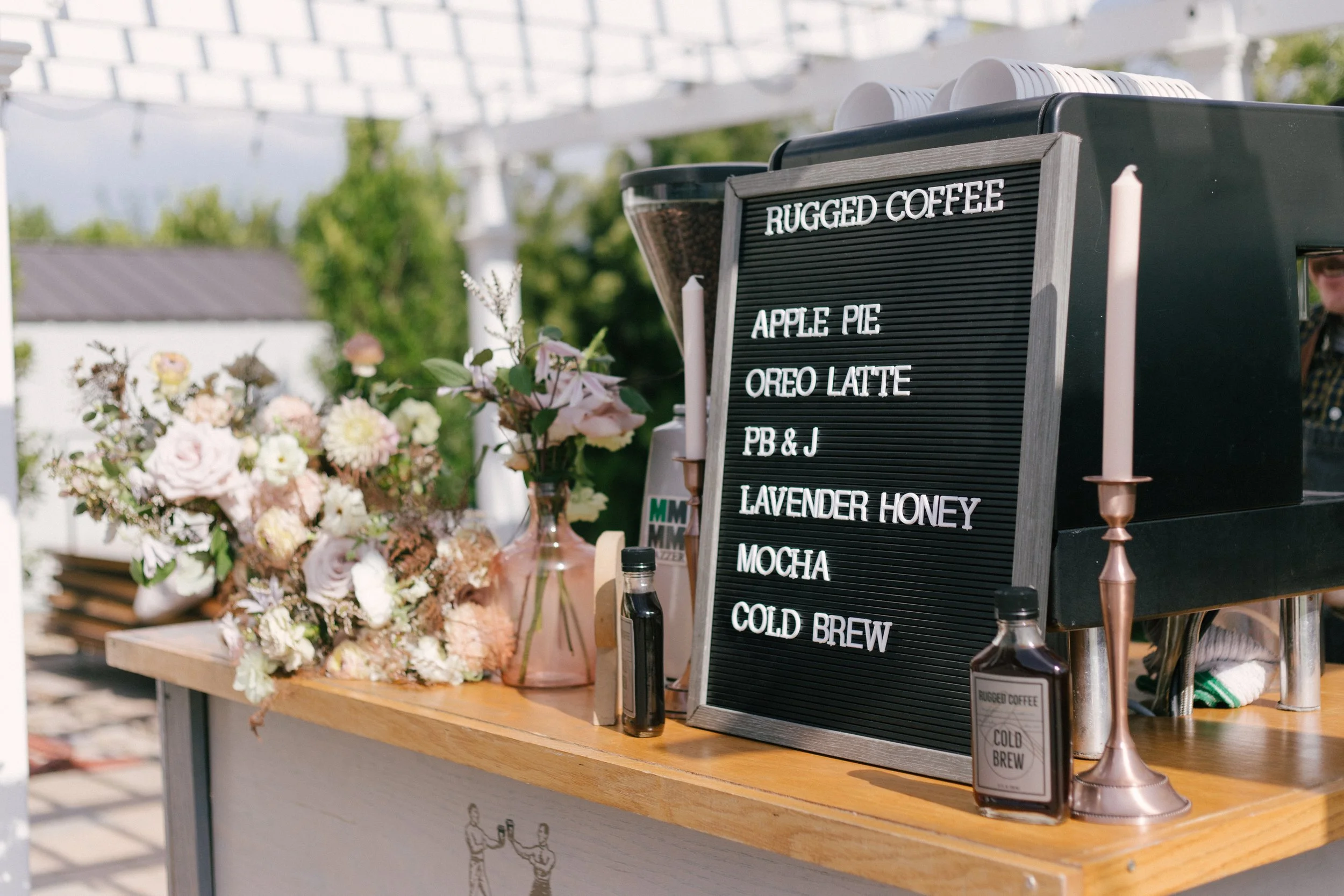
Coffee Truck vs. Mobile Espresso Bar: Which Is Better for Your Event?
/When planning an event, coffee is often treated as a simple refreshment.
However, for modern corporate events, conferences, conventions, weddings, and hospitality experiences, coffee has become much more than a beverage.
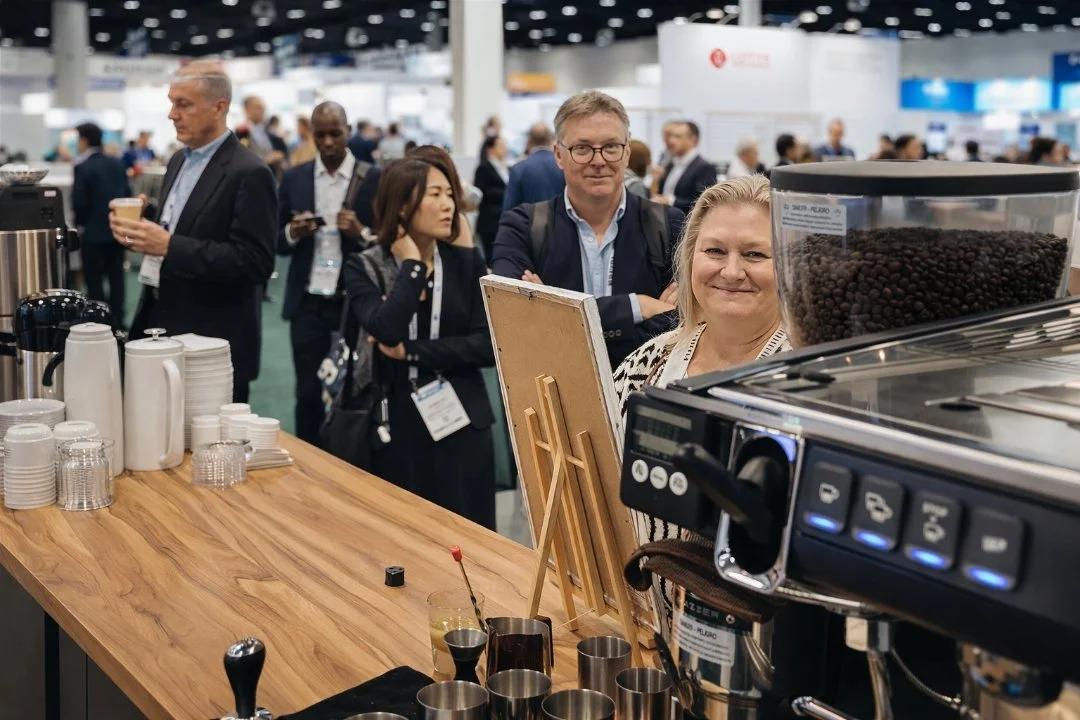
A thoughtfully designed coffee experience can become:
A networking destination
A hospitality feature
A branding opportunity
A memorable attendee interaction
A reason for guests to stay engaged
One of the biggest decisions event planners face is choosing between a coffee truck and a mobile espresso bar.
At first glance, they may appear similar.
Both provide coffee.
Both can travel to events.
Both create a unique alternative to traditional coffee stations.
However, the guest experience, operational requirements, service style, and event impact can be very different.
The right choice depends on what your event needs to accomplish.
A small outdoor gathering may benefit from the convenience of a coffee truck.
A corporate conference, convention, VIP hospitality lounge, or luxury event may require the speed, flexibility, and premium experience of a mobile espresso bar.
This guide explains the differences between coffee trucks and mobile espresso bars so event planners can choose the right solution based on guest experience, logistics, and event goals.
Quick Answer: Coffee Truck vs. Mobile Espresso Bar
A coffee truck is a vehicle-based coffee service designed around mobility and convenience. A mobile espresso bar is a professional coffee catering setup designed around creating a customizable hospitality experience at an event location.
For casual outdoor events, festivals, and community gatherings, a coffee truck can be a great option.
For corporate events, conventions, trade shows, weddings, and luxury hospitality experiences, a mobile espresso bar often provides greater flexibility, faster service, and a more premium guest interaction.
The best choice depends on:
Event size
Guest expectations
Venue requirements
Service speed needs
Branding goals
Available space
What Is a Coffee Truck?
A coffee truck is a mobile coffee business operating from a converted vehicle.
The truck itself contains the equipment, preparation area, and service window.
Guests typically walk up to the truck, place their order, and receive their beverage.
Coffee trucks are popular for:
Festivals
Outdoor markets
Community events
Employee appreciation days
Public gatherings
The major advantage of a coffee truck is convenience.
The business arrives with a self-contained setup and can operate in many outdoor environments.
For certain events, this creates a fun and approachable experience.
However, coffee trucks also come with limitations depending on the event environment.
Because the service is built around the vehicle, planners must consider:
Vehicle access
Parking location
Guest traffic flow
Weather conditions
Service window placement
For large corporate events or convention environments, these factors can become important operational considerations.
What Is a Mobile Espresso Bar?
A mobile espresso bar is a full-service coffee catering experience that brings a professional café directly into your event without requiring a truck or permanent structure.
Instead of guests walking to a vehicle, the espresso bar is built into the event itself. The setup is designed to complement the venue, integrate with the event layout, and create a hospitality experience that feels intentional rather than temporary.
Unlike a traditional coffee truck, a mobile espresso bar can be installed in locations where vehicles are not permitted, making it a versatile option for indoor and outdoor events alike.
This flexibility is one of the reasons mobile espresso bars have become increasingly popular for:
Corporate conferences
Trade shows
Convention hospitality lounges
Executive meetings
Product launches
Brand activations
Employee appreciation events
Weddings
Private celebrations
Rather than functioning as a standalone vendor, a mobile espresso bar becomes part of the overall guest experience.
Guests don't simply "grab coffee."
They interact with professional baristas, enjoy handcrafted beverages, and often spend a few extra moments networking while waiting for their drinks. For many corporate events, those conversations become just as valuable as the beverages themselves.
What Does a Mobile Espresso Bar Include?
While every coffee caterer offers different packages, a professional mobile espresso bar typically includes:
Commercial espresso equipment
Experienced baristas
Freshly prepared espresso beverages
Milk and alternative milk options
Premium syrups and flavorings
Tea selections
Cups, lids, napkins, and service essentials
Complete setup and breakdown
At Rugged Coffee, our goal is to create a coffee experience that feels like a natural extension of your event rather than an outside vendor simply serving drinks.
Whether we're serving a leadership summit in Orange County, a convention in San Diego, or a corporate celebration in Los Angeles, every event is planned around one question:
How can we create an exceptional hospitality experience for every guest?
If you're exploring professional espresso catering options, our Luxury Espresso Bar Catering page provides an overview of our services and event capabilities.
Why Mobile Espresso Bars Work Well for Corporate Events
Corporate events have different priorities than public festivals.
Instead of attracting passing foot traffic, they're designed around attendee experience.
A mobile espresso bar supports those goals because it can be positioned exactly where guests naturally gather.
Examples include:
Registration areas
Networking lounges
Sponsor activations
Breakout session spaces
VIP hospitality suites
Employee appreciation events
Instead of requiring attendees to leave the event to find coffee, the coffee experience becomes part of the event itself.
This may seem like a small distinction, but it changes how attendees interact with the space.
A well-positioned espresso bar naturally encourages:
Networking
Casual conversations
Client meetings
Sponsor engagement
Longer dwell time
For exhibitors, this can create more meaningful opportunities to connect with attendees.
For event planners, it helps transform a refreshment station into an experience that supports the event's objectives.
Flexibility Is One of the Biggest Advantages
One of the greatest strengths of a mobile espresso bar is adaptability.
Because the setup isn't attached to a vehicle, it can often be installed in spaces where coffee trucks simply cannot operate.
Examples include:
Hotel ballrooms
Convention center exhibit halls
Office lobbies
Conference rooms
Courtyards
Rooftop venues
Museums
Historic venues
Indoor reception spaces
This flexibility allows planners to place the coffee experience where it creates the greatest impact instead of wherever a truck can park.
For conferences and conventions, that often means positioning the espresso bar near attendee traffic during registration, networking breaks, or sponsor activations.
The result is a more seamless guest experience.
Coffee Quality Matters, Too
Whether guests realize it or not, the quality of the coffee experience influences how they perceive the event.
Professionally trained baristas use commercial espresso machines that are designed to produce consistent beverages throughout the day.
That consistency becomes especially important during busy periods when dozens of drinks may be ordered within minutes.
A premium espresso bar typically offers beverages such as:
Espresso
Americanos
Cappuccinos
Lattes
Vanilla lattes
Mochas
Chai lattes
Matcha lattes
Hot chocolate
Premium teas
Offering guests choices creates a more inclusive hospitality experience, particularly for attendees who may not drink traditional coffee.
Coffee Truck vs. Mobile Espresso Bar: At a Glance
Before diving into a detailed comparison, here's a quick overview of how these two options differ.
FeatureCoffee TruckMobile Espresso BarIndoor EventsLimited or not possible✔ Designed for indoor and outdoor venuesOutdoor Events✔ Excellent✔ ExcellentConvention CentersOften restricted✔ Commonly accommodatedHotels & BallroomsUsually impractical✔ IdealGuest ExperienceWalk-up serviceIntegrated hospitality experienceBranding OpportunitiesLimited to truck exteriorBar, menu, signage, cups, and surrounding activationPlacement FlexibilityDependent on vehicle accessCan be positioned almost anywhere the venue allowsCorporate HospitalityGoodExcellentLuxury EventsGoodExcellent
While both options serve coffee, they solve different event challenges.
A coffee truck excels when mobility and outdoor visibility are the priority.
A mobile espresso bar excels when hospitality, flexibility, professional presentation, and integration into the event experience are the priority.
Which Option Creates the Better Guest Experience?
For many planners, this is the question that matters most.
Guests rarely remember whether the coffee came from a truck or a mobile bar.
They remember:
Whether the drinks were excellent.
Whether the line moved efficiently.
Whether the service felt welcoming.
Whether the coffee became a memorable part of the event.
That is why experienced event planners often evaluate coffee catering based on the complete hospitality experience rather than the equipment used to deliver it.
Coffee Truck vs. Mobile Espresso Bar: A Side-by-Side Comparison
Now that we've defined both options, let's compare them across the factors that matter most to event planners.
At first glance, both experiences provide handcrafted coffee. However, once you begin planning around attendee experience, venue logistics, and event operations, the differences become much more apparent.
The best choice isn't about which option is universally "better."
It's about which one best supports the goals of your event.
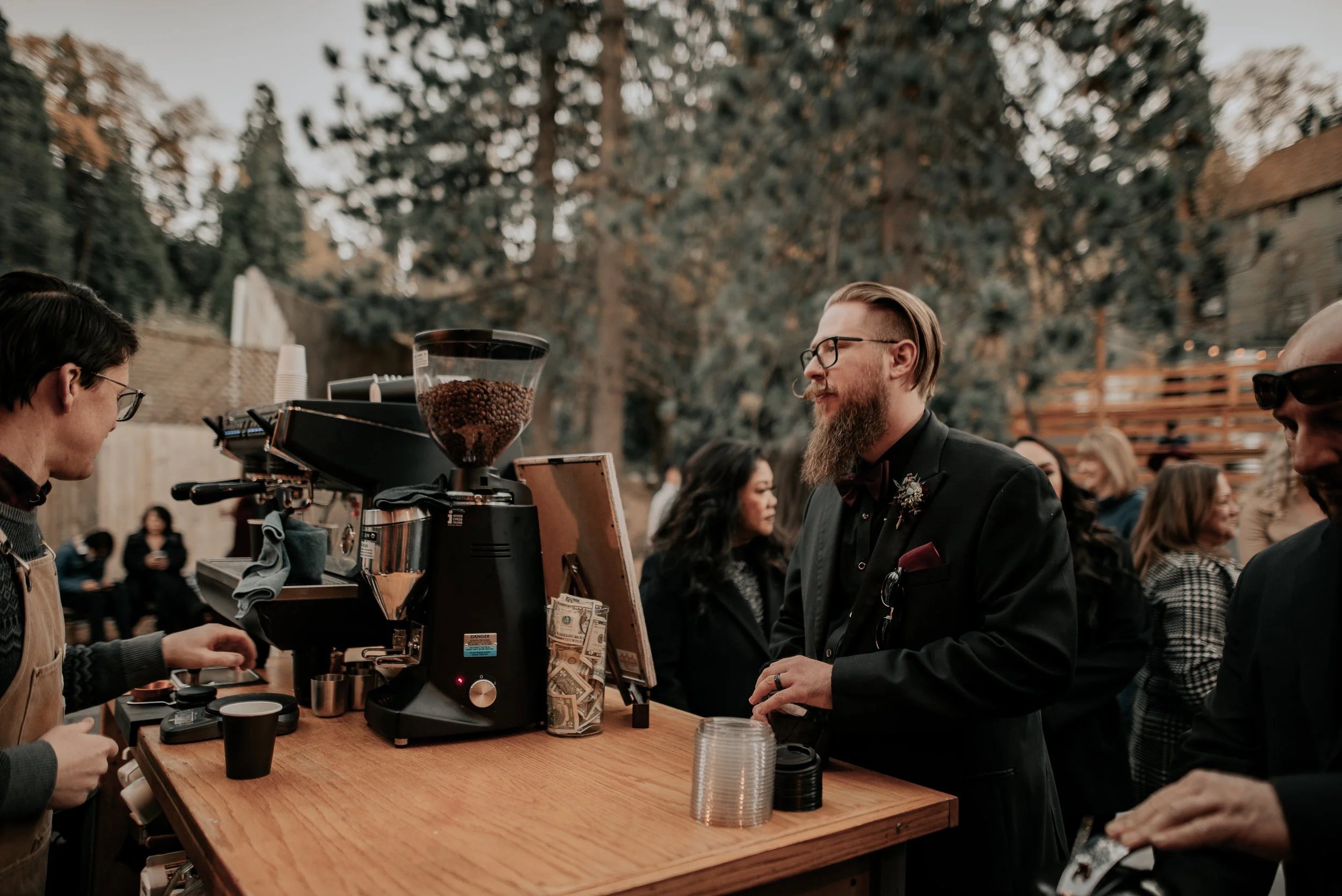
1. Service Speed During Peak Event Traffic
Winner: Mobile Espresso Bar (for most corporate events and conventions)
One of the biggest differences between a coffee truck and a mobile espresso bar is how each handles guest flow.
At public events like farmers markets or community festivals, guests naturally arrive throughout the day. A coffee truck performs well in this environment because demand is spread over several hours.
Corporate events work differently.
Conferences, conventions, and executive meetings create predictable surges in traffic.
For example:
Registration opens at 8:00 AM.
A keynote session ends at 10:15 AM.
Lunch concludes at noon.
Afternoon breakout sessions end simultaneously.
Within minutes, dozens or even hundreds of attendees may head toward the nearest coffee service.
These concentrated periods place significant demands on any beverage provider.
A professional mobile espresso bar is typically designed around these operational realities.
Rather than functioning as a standalone destination outside the event, it becomes part of the attendee journey, allowing planners to strategically position the service where it best supports guest movement.
The result is often a smoother hospitality experience during the busiest parts of the day.
Why Service Speed Matters
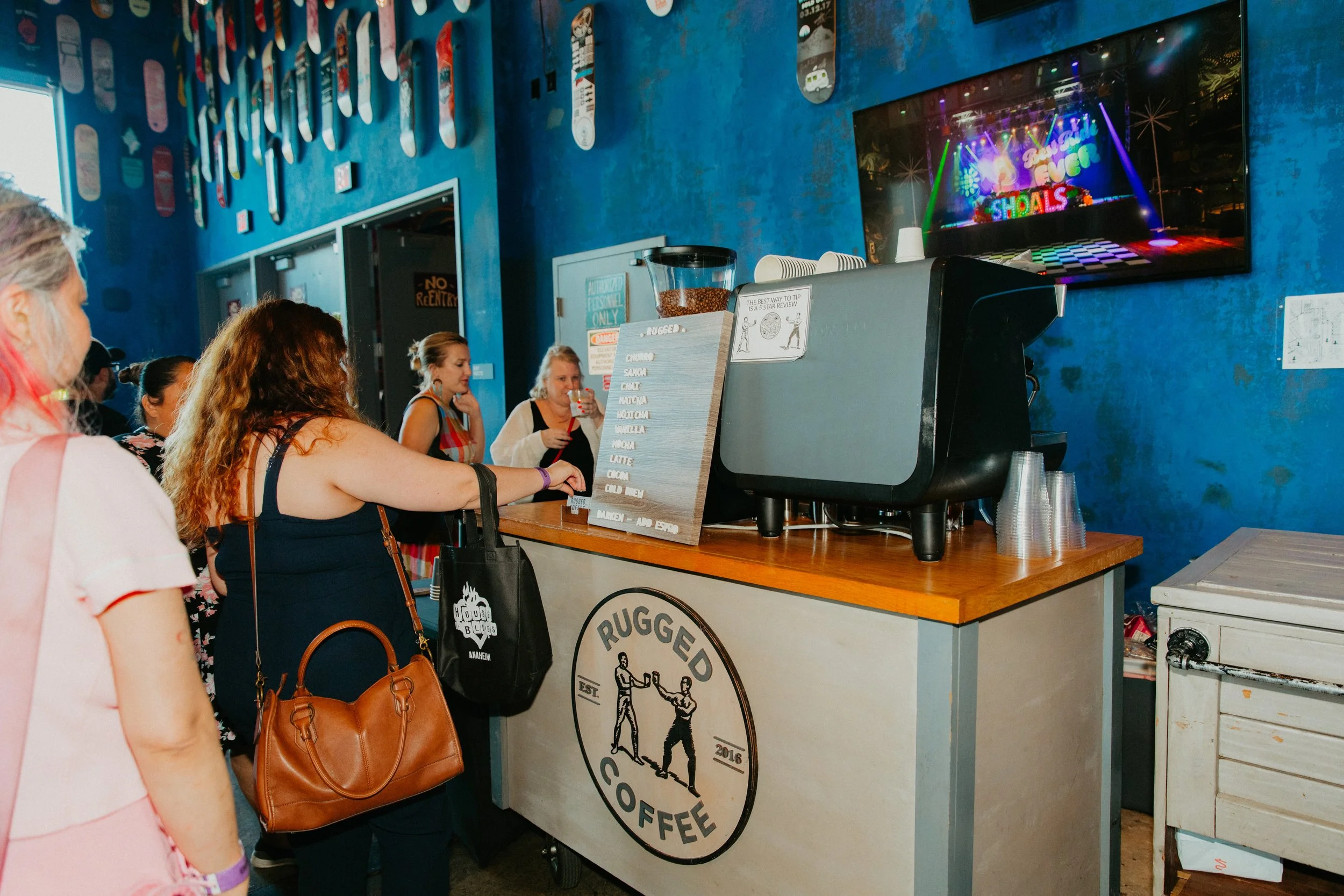
Coffee is rarely just about coffee.
During conferences, coffee breaks often become networking opportunities.
Attendees use those few minutes to:
Meet potential clients
Continue conversations from sessions
Connect with exhibitors
Recharge before the next presentation
If guests spend most of their break waiting in line, they lose valuable opportunities to engage with the event.
Fast, organized coffee service helps preserve the experience planners worked hard to create.
2. Indoor vs. Outdoor Venue Flexibility
Winner: Mobile Espresso Bar
Venue flexibility is one of the largest practical differences between these two options.
A coffee truck is still a vehicle.
That means it must comply with:
Parking requirements
Vehicle access restrictions
Loading limitations
Fire lane regulations
Venue policies
Many Southern California corporate venues simply aren't designed to accommodate vehicles indoors.
This includes:
Convention centers
Hotel ballrooms
Executive conference spaces
Museums
Performing arts centers
Office campuses
A mobile espresso bar eliminates many of these challenges because it can be assembled inside the event space itself.
Instead of asking,
"Where can the truck park?"
Planners can ask,
"Where will the coffee experience have the greatest impact?"
That distinction creates significantly more flexibility when designing the event layout.
Outdoor Events Are a Different Story
Coffee trucks continue to be an excellent option for many outdoor events.
Examples include:
Community festivals
Street fairs
School events
Public celebrations
Outdoor markets
These events naturally accommodate vehicle-based vendors.
However, many outdoor corporate events still benefit from a mobile espresso bar because the setup can often be positioned closer to seating areas, networking spaces, or sponsor activations rather than remaining tied to vehicle access.
3. Guest Experience and Event Atmosphere
Winner: Mobile Espresso Bar
Coffee influences how guests feel about an event.
A thoughtfully designed espresso bar becomes more than a refreshment station.
It becomes part of the atmosphere.
Professional espresso bars often create an environment where guests naturally gather, talk, and connect.
That hospitality element is especially valuable during:
Leadership summits
Client appreciation events
Corporate retreats
Executive meetings
Sponsor lounges
Wedding receptions
Guests tend to linger a little longer.
They start conversations while waiting for drinks.
They reconnect with colleagues.
They schedule follow-up meetings.
Coffee becomes a catalyst for interaction.
For event planners, those interactions contribute to the overall success of the event.
4. Branding Opportunities
Winner: Mobile Espresso Bar
Brand visibility has become increasingly important at conferences and corporate events.
Sponsors want meaningful attendee engagement.
Companies want every touchpoint to reinforce their brand.
A mobile espresso bar offers numerous branding opportunities, including:
Custom drink menus
Event signage
Welcome displays
Branded beverage sleeves
Company messaging near the coffee bar
Sponsor recognition
Rather than simply displaying a logo, the coffee experience becomes part of the event's identity.
For product launches and sponsor activations, this creates an opportunity for guests to associate a positive hospitality experience with the host brand.
Coffee Trucks Can Offer Branding Too
Coffee trucks certainly provide branding opportunities, particularly through:
Vehicle wraps
Exterior graphics
Window signage
For outdoor public events, this visibility can be extremely effective.
However, inside conference venues and corporate environments, planners often need more flexibility than a vehicle can provide.
A mobile espresso bar allows the branding to integrate naturally into the event rather than remaining attached to the exterior of a truck.
5. Space Requirements
Winner: Depends on the Venue
This comparison isn't about which option requires less space.
It's about which space is available.
Coffee trucks require:
Vehicle access
Parking clearance
Turning radius
Service-side guest space
Mobile espresso bars require:
Indoor floor space
Electrical access
Guest queue area
For many hotels, convention centers, and corporate offices, providing indoor floor space is considerably easier than accommodating a commercial vehicle.
This is one reason mobile espresso bars have become increasingly common at business events.
6. Event Logistics
Winner: Mobile Espresso Bar for Corporate Events
Experienced event planners understand that every additional logistical challenge increases planning complexity.
Questions that often arise include:
Can the truck access the venue?
Does it require special permits?
Where can it park?
Will it interfere with guest traffic?
Is outdoor service practical in the expected weather?
A mobile espresso bar often simplifies these conversations because the setup integrates into the existing event plan.
Rather than designing the event around a vehicle, planners design the coffee experience around the event.
That subtle shift creates greater flexibility during the planning process.
7. Which Option Feels More Premium?
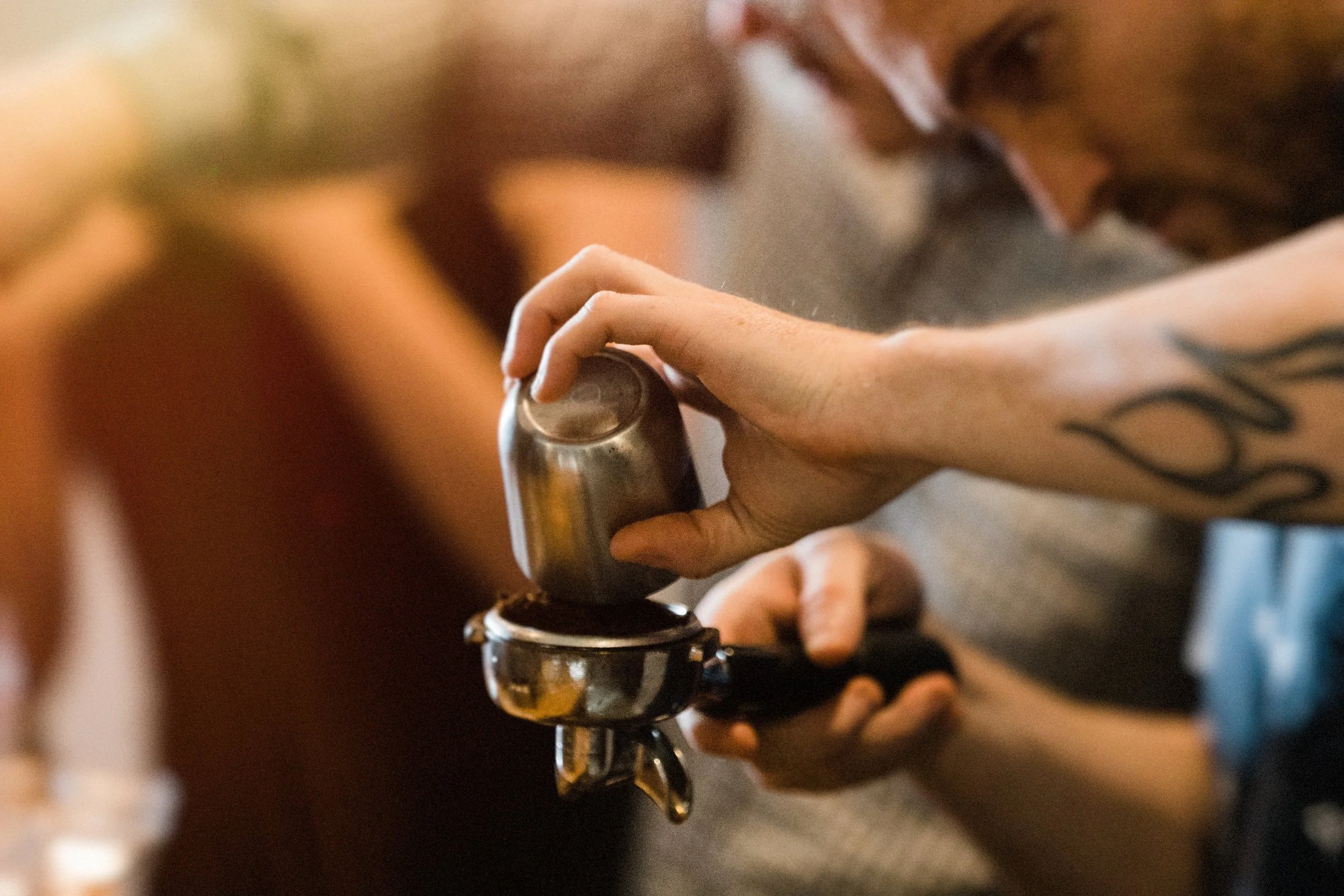
Winner: Mobile Espresso Bar
This category is subjective, but it matters.
Luxury hospitality is about perception.
When guests attend a high-end conference, executive retreat, or black-tie celebration, every detail contributes to the overall impression.
A professionally designed mobile espresso bar often complements:
Elegant décor
Corporate branding
Luxury venues
Executive hospitality
Upscale networking environments
It becomes another thoughtfully designed element of the guest experience rather than a separate attraction.
For organizations investing in hospitality, that cohesive presentation often aligns better with the event's overall vision.
Comparison Summary
If your priority is:
Public Visibility
A coffee truck may be the stronger choice.
Indoor Flexibility
A mobile espresso bar offers greater adaptability.
Convention Hospitality
A mobile espresso bar is generally better suited for conference environments where guest flow, venue logistics, and attendee experience are primary considerations.
Luxury Guest Experience
A professionally designed mobile espresso bar typically creates a more integrated hospitality experience.
The right choice depends on your event goals.
Understanding those goals is the first step toward selecting a coffee experience that supports your attendees, your venue, and your overall event strategy.
Continue Reading
Choosing between a coffee truck and a mobile espresso bar is only part of the planning process.
Comparison: Coffee Truck vs. Mobile Espresso Bar
One of the first questions event planners ask after deciding to offer specialty coffee is:
"Which option costs less?"
It's a fair question, but it isn't always the right one.
A better question is:
"Which option provides the greatest value for the experience we're trying to create?"
Two coffee catering services may have similar price points while delivering completely different guest experiences, operational capabilities, and event outcomes.
That's why professional event planners evaluate coffee catering the same way they evaluate venues, audiovisual production, décor, or entertainment.
They don't simply compare price.
They compare value.
What Determines the Cost of Coffee Catering?
Whether you choose a coffee truck or a mobile espresso bar, pricing is influenced by many of the same operational factors.
These commonly include:
Total event attendance
Service duration
Beverage menu
Staffing requirements
Equipment needs
Venue logistics
Travel distance
Setup and breakdown requirements
Understanding these variables helps planners compare proposals more accurately.
If you're planning your event budget, you may also find our guide on Coffee Catering Costs for Southern California Conferences and Events helpful, as it explains how professional coffee catering is priced and what influences your overall investment. (Link this to your published pricing guide once live.)
Why Comparing Price Alone Can Be Misleading
Imagine receiving these two proposals:
Proposal A
Lower price
Limited beverage menu
Minimal staffing
Basic service setup
Proposal B
Slightly higher investment
Premium espresso beverages
Experienced baristas
Professional presentation
Event coordination
Faster service capacity
If Proposal B creates a significantly better attendee experience, the higher investment may actually provide greater overall value.
This is especially true for:
Client appreciation events
Executive meetings
Investor presentations
Product launches
Industry conferences
Luxury weddings
Coffee is often one of the first hospitality experiences guests encounter.
That first impression matters.
Understanding Return on Experience (ROX)
Many companies evaluate purchases using Return on Investment (ROI).
Hospitality events often benefit from another perspective:
Return on Experience (ROX).
Consider what happens when coffee service is well executed.
Guests arrive.
They immediately find a welcoming beverage experience.
They begin conversations while waiting for drinks.
Sponsors gain additional interactions.
Networking becomes easier.
Attendees remain engaged throughout the day.
Coffee becomes part of the event's success rather than simply another expense.
Although it's difficult to assign a dollar value to these interactions, experienced planners understand their importance.
A memorable hospitality experience can positively influence attendee satisfaction, brand perception, and future event participation.
Comparing Operational Value
Instead of asking only,
"Which option costs less?"
Consider asking the following questions.
Can It Support My Guest Count?
A provider should be prepared for the attendance level of your event.
Large conferences require different operational planning than small employee appreciation events.
Does It Match My Venue?
Indoor convention centers, luxury hotels, and executive offices often have different logistical requirements than outdoor festivals.
Selecting a service model that fits the venue can reduce planning challenges.
Does It Support My Event Goals?
Every event has different priorities.
Examples include:
Brand Activation
The coffee experience becomes part of a marketing strategy.
Networking
Coffee encourages conversations and relationship building.
Hospitality
Guests feel welcomed and appreciated.
Employee Recognition
Quality refreshments demonstrate investment in employees.
VIP Experiences
Premium beverages reinforce an elevated event atmosphere.
The right coffee service should support those objectives.
Hidden Costs Event Planners Should Consider
The quoted proposal is only one part of the planning process.
Before making a decision, ask whether the proposal addresses:
Venue Access
Does the provider understand:
Loading procedures?
Setup schedules?
Vendor requirements?
Electrical Requirements
Professional espresso equipment requires appropriate power.
Clarifying electrical requirements before event day prevents unnecessary complications.
Parking and Access
Vehicle-based vendors may require:
Designated parking
Vehicle permits
Special access routes
Understanding these logistics early helps avoid scheduling conflicts.
Weather Considerations
Outdoor events always introduce additional planning variables.

Questions to consider include:
Is shade available?
Is wind expected?
Is rain part of the forecast?
Does the venue provide contingency options?
For outdoor hospitality events, planners should discuss weather preparations with their coffee provider during the planning process.
Coffee Truck vs. Mobile Espresso Bar: Cost vs. Value
The table below summarizes how many planners evaluate the two options.
ConsiderationCoffee TruckMobile Espresso BarInitial InvestmentVariesVariesIndoor FlexibilityLimitedExcellentOutdoor VisibilityExcellentExcellentConvention CompatibilityLimitedExcellentBranding OpportunitiesGoodExcellentHospitality ExperienceGoodExcellentEvent IntegrationModerateExcellentLuxury PresentationGoodExcellent
Notice that the comparison isn't centered around price.
It's centered around value.
For many conferences and corporate events, the experience delivered has a greater long-term impact than selecting the lowest-cost option.
Which Option Delivers Better Value?
There isn't a universal answer.
A coffee truck may be the perfect choice for:
Community festivals
Outdoor public events
Campus celebrations
Street fairs
A mobile espresso bar may be the better choice for:
Corporate conferences
Conventions
Trade shows
Executive meetings
Sponsor lounges
Client appreciation events
Luxury weddings
Brand activations
Ultimately, the best investment is the one that aligns with your event's goals, venue, audience, and hospitality strategy.
Expert Tip: Start With the Guest Experience
One of the simplest ways to make this decision is to begin with a single question:
"What do we want guests to remember?"
If the goal is simply making coffee available, either option may accomplish that.
If the goal is creating a memorable hospitality experience that encourages networking, reinforces your brand, and supports the overall atmosphere of the event, a professionally designed mobile espresso bar often provides greater flexibility and integration.
That distinction becomes increasingly important as event size, attendee expectations, and hospitality goals continue to grow.
How to Choose Between a Coffee Truck and a Mobile Espresso Bar
By this point, you've probably realized there isn't a one-size-fits-all answer.
Both coffee trucks and mobile espresso bars can create memorable experiences.
The better choice depends on your event goals, venue, audience, and the type of hospitality experience you want to provide.
Instead of asking,
"Which option is better?"
Ask,
"Which option is better for this event?"
The following scenarios can help guide your decision.
Best for Corporate Conferences
Recommended: Mobile Espresso Bar
Corporate conferences are designed to educate, connect, and build relationships.
Coffee supports each of those objectives.
Throughout the day, attendees naturally gather around coffee during:
Registration
Morning networking
Session breaks
Lunch transitions
Afternoon refreshment breaks
Because demand occurs in predictable waves, conference coffee service needs to be efficient, professional, and integrated into the event layout.
A mobile espresso bar offers several advantages:
Can be positioned inside conference venues
Supports attendee flow
Creates a premium hospitality experience
Encourages networking
Fits seamlessly into conference schedules
For conference planners, the coffee experience becomes another opportunity to improve attendee satisfaction.
If you're planning a corporate event or conference, explore Rugged Coffee's Corporate Coffee Catering services to see how specialty coffee can enhance your guest experience.
Best for Trade Shows and Conventions
Recommended: Mobile Espresso Bar
Trade shows and conventions are different from public festivals.
The objective isn't simply serving beverages.
The objective is supporting:
Attendee engagement
Exhibitor success
Sponsor activation
Networking
Hospitality
A mobile espresso bar can often be positioned:
Near registration
Inside hospitality lounges
Adjacent to exhibitor spaces
Within sponsor activations
In VIP networking areas
This allows coffee to become part of the attendee journey rather than a destination outside the event.
For exhibitors, a premium coffee experience can also help encourage conversations with prospective clients.
Instead of asking visitors to stop by for a brochure, you're inviting them into a hospitality experience.
That difference often creates more meaningful interactions.
Best for Employee Appreciation Events
Recommended: Either Option
Employee appreciation events can work well with either format.
If the event is held:
At a Corporate Office
A mobile espresso bar often integrates more naturally into:
Office lobbies
Courtyards
Conference rooms
Break areas
Outdoors
A coffee truck may provide a fun, casual atmosphere that encourages employees to gather outside during the event.
The decision often comes down to venue logistics and the desired atmosphere.
Best for Product Launches
Recommended: Mobile Espresso Bar
Product launches are designed to reinforce brand perception.
Every guest interaction contributes to that impression.
A mobile espresso bar allows planners to create a cohesive hospitality experience through:
Branded drink menus
Signature beverages
Coordinated presentation
Premium guest interaction
Coffee becomes another touchpoint supporting the product story.
Best for Luxury Weddings
Recommended: Mobile Espresso Bar
Wedding hospitality has evolved significantly.
Many couples now include specialty coffee experiences during:
Cocktail hour
Dessert service
Late-night receptions
Farewell brunches
A mobile espresso bar complements elegant wedding venues because it can be designed to blend naturally with the décor rather than feeling like an outside vendor.
Guests appreciate having handcrafted beverages while spending time with family and friends, and the coffee bar often becomes one of the most photographed hospitality features of the evening.
If you're planning a wedding, you can learn more about Rugged Coffee's Luxury Espresso Bar Catering and how it can be customized for your celebration.
Best for Outdoor Festivals and Community Events
Recommended: Coffee Truck
Not every event needs an integrated espresso bar.
Public events often benefit from the visibility and accessibility of a coffee truck.
Examples include:
Farmers markets
Street fairs
Music festivals
Community celebrations
Outdoor markets
Guests naturally walk throughout these environments, making a vehicle-based coffee service a practical solution.
The truck itself can also become part of the event atmosphere.
Best for Private Celebrations
Recommended: Depends on the Experience
For birthdays, anniversaries, graduation parties, and family celebrations, either option can be an excellent choice.
Ask yourself:
Is the event indoors or outdoors?
Do you want a casual atmosphere or a luxury experience?
Is presentation important?
Will guests spend time socializing around the coffee bar?
The answers usually make the decision clear.
Quick Decision Guide
If your event is...
Event TypeRecommended OptionWhyCorporate ConferenceMobile Espresso BarSupports networking, guest flow, and indoor venuesConventionMobile Espresso BarFlexible placement and professional hospitalityTrade ShowMobile Espresso BarExcellent for attendee engagement and sponsor activationsExecutive MeetingMobile Espresso BarPremium experience in professional settingsProduct LaunchMobile Espresso BarEnhances branding and guest interactionLuxury WeddingMobile Espresso BarElegant presentation and seamless venue integrationEmployee Appreciation EventEitherDepends on venue and desired atmosphereCommunity FestivalCoffee TruckIdeal for public outdoor environmentsStreet FairCoffee TruckVehicle visibility supports foot trafficFarmers MarketCoffee TruckDesigned for casual walk-up service
Five Questions to Ask Before Booking
Before making your final decision, ask any coffee catering provider these questions:
1. How do you prepare for peak service times?
Large events experience concentrated demand.
Ask how the provider plans for those busy periods.
2. What venues do you specialize in?
Experience with convention centers, hotels, office campuses, and luxury venues often translates into smoother event execution.
3. What is included in your proposal?
Clarify whether pricing includes:
Setup
Breakdown
Staffing
Equipment
Cups and supplies
Travel
Coordination
Understanding what's included helps you compare proposals accurately.
4. Can the experience be customized?
Customization options may include:
Signature drinks
Branded menus
Event-themed beverages
Seasonal offerings
These details can make the experience feel unique to your event.
5. How does your service support the overall guest experience?
This may be the most important question of all.
The best coffee providers think beyond beverages.
They think about hospitality.
A great coffee experience should make guests feel welcomed, comfortable, and excited to engage with your event.
Our Perspective
After serving corporate events, conferences, conventions, weddings, and private celebrations since 2016, we've learned something that consistently holds true:
Guests rarely remember the equipment.
They remember the experience.
They remember how the coffee tasted.
They remember how they were treated.
They remember the conversations they had while waiting for their drinks.
Whether you ultimately choose a coffee truck or a mobile espresso bar, selecting a provider that prioritizes hospitality, professionalism, and thoughtful planning will have a far greater impact than the service format alone.
That is what transforms coffee from a refreshment into an experience worth remembering.
Common Mistakes Event Planners Make When Choosing Coffee Service
Choosing between a coffee truck and a mobile espresso bar is only one part of the decision.
After working with corporate events, conferences, conventions, and private celebrations since 2016, we've found that the most successful events don't simply choose a coffee provider.
They choose a hospitality partner.
Unfortunately, many event planners unintentionally make decisions that create unnecessary challenges on event day. Most of these issues aren't caused by the coffee itself. They're caused by planning assumptions that don't account for guest behavior, venue logistics, or operational realities.
Understanding these common mistakes can help you create a smoother experience for both your guests and your event team.
Mistake #1: Choosing Based on Price Alone
Every event has a budget, and comparing proposals is an important part of the planning process.
However, choosing the lowest price without understanding what is included can lead to unexpected compromises.
When reviewing proposals, consider questions such as:
Is setup and breakdown included?
Are professional baristas included?
Does the package include specialty beverages?
What equipment will be used?
How is guest capacity determined?
Are travel and venue logistics included?
Two proposals with similar pricing may deliver very different guest experiences.
Instead of asking,
"Which quote is cheaper?"
Ask,
"Which proposal best supports the experience we want our guests to have?"
Mistake #2: Estimating Coffee Needs Based Only on Beverage Count
One of the most common misconceptions is trying to predict exactly how many cups of coffee guests will drink.
While beverage estimates can be helpful, they shouldn't be the primary factor when selecting a coffee caterer.
At conferences and conventions especially, attendee behavior is difficult to predict.
A keynote session ending early, a popular networking break, or unexpected attendee traffic can dramatically increase demand within minutes.
That's why experienced event coffee providers prepare for the overall event rather than relying exclusively on projected beverage counts.
The question isn't simply:
"How many drinks will be served?"
The better question is:
"Can the coffee service comfortably support the attendees who want coffee during the busiest moments of the event?"
Mistake #3: Forgetting About Guest Flow
Guests rarely experience an event exactly as it's shown on the floor plan.
They create their own paths.
Coffee naturally attracts people.
If the coffee service is positioned in a narrow hallway, near an entrance, or beside another high-traffic activation, congestion can quickly develop.
Before deciding where coffee should be served, ask:
Where will guests naturally gather?
Where will networking occur?
Where will session transitions happen?
Is there enough room for a queue without disrupting traffic?
Coffee should complement guest movement, not interrupt it.
Mistake #4: Assuming Every Venue Can Accommodate Every Coffee Service
Every venue operates differently.
Convention centers, hotels, museums, office campuses, wineries, and outdoor venues all have unique operational requirements.
Questions to confirm before booking include:
Are outside vendors permitted?
Is there sufficient electrical access?
What are the load-in procedures?
Are Certificates of Insurance required?
What time is vendor access available?
Are there vehicle restrictions?
Answering these questions early helps avoid last-minute surprises and allows both the venue and the coffee provider to prepare appropriately.
Mistake #5: Overlooking the Hospitality Experience
Coffee is one of the few event features that nearly every attendee interacts with.
Because of that, it often has an outsized influence on how guests remember the event.
A thoughtfully designed coffee experience can:
Welcome attendees as they arrive.
Encourage networking during breaks.
Create opportunities for sponsor engagement.
Reinforce a premium event atmosphere.
Leave guests with a positive final impression.
Rather than viewing coffee as another catering expense, consider how it contributes to the overall hospitality strategy.
For many corporate events, the coffee bar becomes one of the busiest and most memorable gathering spaces of the day.
Coffee Catering Planning Timeline
One of the easiest ways to reduce stress on event day is to begin planning your coffee service well in advance.
The timeline below reflects general best practices for conferences, conventions, corporate events, and large private gatherings.
Six to Twelve Months Before the Event
For larger conferences and conventions:
Establish your hospitality goals.
Determine an initial event budget.
Estimate attendance.
Confirm venue availability.
Begin researching professional coffee catering providers.
If your event takes place during peak seasons, reserving vendors early often provides the greatest scheduling flexibility.
Three to Six Months Before
This is typically the ideal time to finalize your coffee catering partner.
During this stage:
Review proposals.
Confirm service hours.
Discuss beverage menu options.
Coordinate with the venue.
Review power requirements.
Identify setup locations.
If your event includes sponsor activations or branded beverage experiences, this is also the appropriate time to begin those discussions.
Thirty Days Before
As registration numbers become more accurate:
Update attendee counts.
Review event schedules.
Confirm load-in times.
Verify parking arrangements.
Finalize venue logistics.
Review any last-minute menu adjustments.
Clear communication during this stage helps ensure everyone arrives prepared.
One Week Before
During the final planning week:
Confirm contact information.
Review the event timeline.
Verify venue access instructions.
Confirm setup windows.
Double-check electrical availability.
Small details addressed before event day often prevent larger challenges later.
Event Day
Professional coffee service begins long before the first beverage is prepared.
A successful event day typically includes:
Timely arrival.
Efficient setup.
Equipment testing.
Final venue coordination.
Beverage station preparation before guests arrive.
When this preparation happens behind the scenes, attendees experience what feels like effortless hospitality.
That's exactly how it should feel.
Why Coffee Has Become One of the Most Valuable Hospitality Investments
Coffee has evolved.
Years ago, event coffee often meant self-service urns placed in the corner of a meeting room.
Today's attendees expect something different.
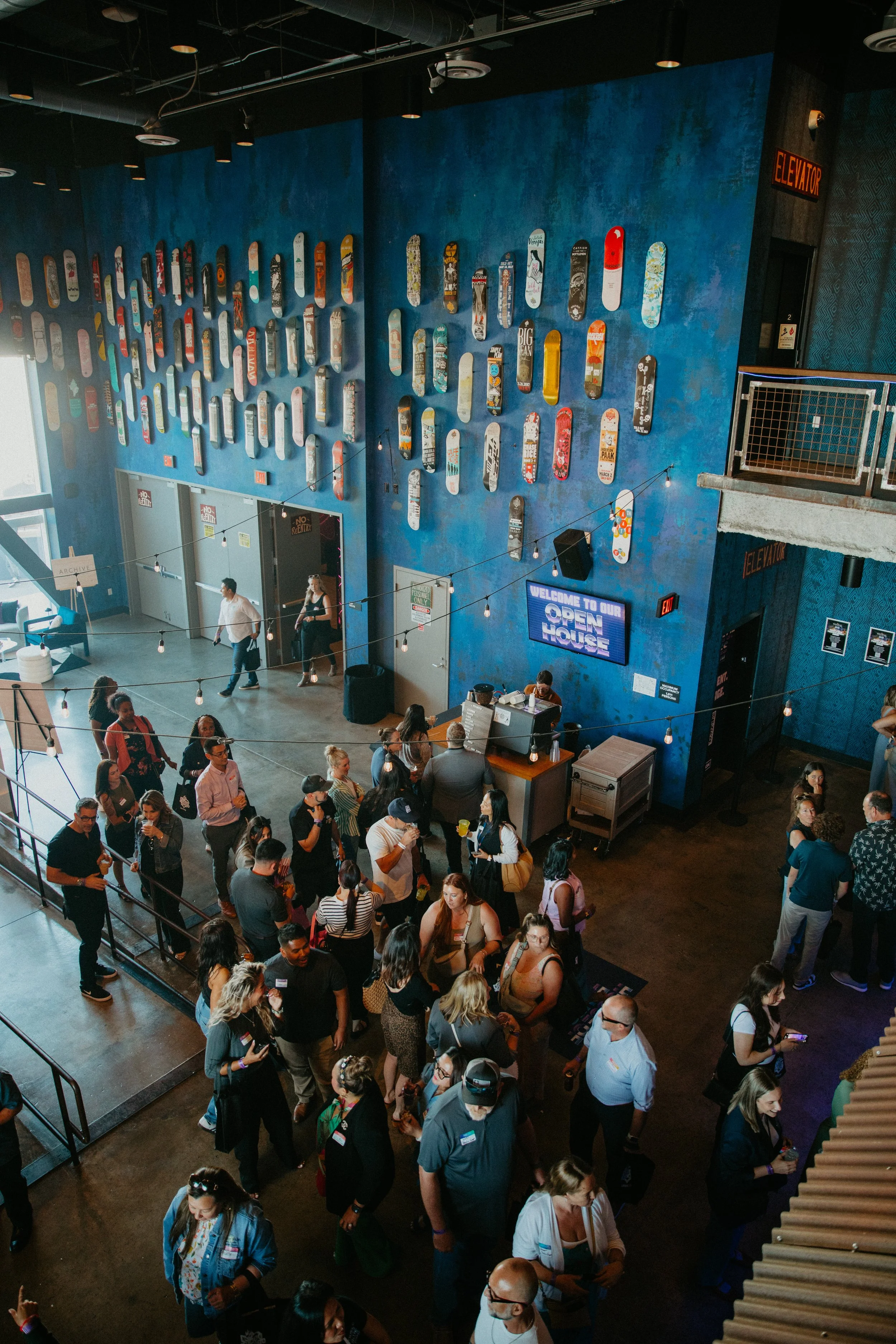
Across conferences, conventions, executive retreats, and luxury events, coffee has become an experience in its own right.
It serves as:
A networking hub.
A conversation starter.
A hospitality feature.
A brand touchpoint.
A welcome experience.
Unlike many event features that guests experience only once, coffee creates multiple opportunities for positive interaction throughout the day.
Attendees often visit before sessions begin.
They return during networking breaks.
They stop again before afternoon presentations.
Each visit becomes another opportunity to reinforce the quality of the event.
For sponsors, exhibitors, and corporate hosts, these repeated interactions create value far beyond the beverage itself.
Coffee doesn't interrupt the event.
It supports it.
When thoughtfully planned, it helps guests feel energized, welcomed, and connected throughout the day.
That's why many experienced planners no longer think of coffee as simply catering.
They think of it as hospitality infrastructure.
Frequently Asked Questions About Coffee Trucks and Mobile Espresso Bars
Is a coffee truck or a mobile espresso bar better for a corporate event?
For most corporate events, a mobile espresso bar offers greater flexibility because it can be integrated directly into the event space rather than requiring guests to visit a parked vehicle. Corporate meetings, conferences, and networking events are designed around attendee interaction, so positioning the coffee experience near registration, breakout sessions, or hospitality lounges helps encourage conversations and improves guest flow. Coffee trucks remain an excellent option for many outdoor events, but for indoor corporate venues and professional hospitality experiences, a mobile espresso bar is often the more practical choice.
What's the difference between a coffee truck and a mobile espresso bar?
A coffee truck is a self-contained vehicle that prepares and serves beverages from inside the truck. Guests typically approach a service window to place their orders.
A mobile espresso bar, on the other hand, is a portable café setup that is assembled inside or outside the event venue. Because it isn't attached to a vehicle, it offers significantly more flexibility in placement and can often be incorporated into conference halls, hotel ballrooms, office buildings, convention centers, and private venues where vehicles may not be permitted.
Which option is better for a convention?
For most conventions and trade shows, a mobile espresso bar is generally the better solution.
Convention attendees move in predictable waves during registration, networking breaks, and educational sessions. A mobile espresso bar can be positioned within those attendee pathways, allowing coffee service to become part of the event rather than a separate destination.
This placement often improves convenience while supporting networking and exhibitor engagement.
Is a coffee truck less expensive than a mobile espresso bar?
Not necessarily.
The cost of professional coffee catering depends on factors such as attendance, service hours, beverage menu, staffing requirements, venue logistics, and equipment needs.
Rather than assuming one format is always less expensive, event planners should compare what is included in each proposal and evaluate which option best supports their hospitality goals.
The least expensive proposal is not always the best overall value.
Can a mobile espresso bar be set up indoors?
Yes.
One of the primary advantages of a mobile espresso bar is its ability to operate inside venues where coffee trucks cannot.
Examples include:
Hotels
Convention centers
Office buildings
Museums
Ballrooms
Conference facilities
This flexibility allows event planners to position coffee where attendees naturally gather instead of where a vehicle can be parked.
Which option serves guests faster?
Service speed depends on staffing, equipment, menu complexity, and event planning rather than whether the service is delivered from a truck or an espresso bar.
For conferences and conventions, the most important consideration is whether the provider has planned for peak traffic.
Experienced coffee caterers prepare for scheduled breaks and high-demand periods by matching staffing and operational planning to the event rather than relying on average beverage demand.
Is a mobile espresso bar suitable for outdoor events?
Absolutely.
Although many people associate mobile espresso bars with indoor venues, they also work exceptionally well outdoors.
Corporate picnics, employee appreciation events, winery celebrations, private estates, golf tournaments, and outdoor weddings frequently use mobile espresso bars because they provide flexibility while maintaining a premium guest experience.
Weather, power availability, and venue layout should always be discussed during the planning process.
Which option creates a better guest experience?
That depends on the goals of the event.
Coffee trucks create a casual, approachable experience that works well for festivals and community events.
Mobile espresso bars typically create a more integrated hospitality experience that complements conferences, luxury weddings, executive meetings, and corporate events.
Neither option is inherently better.
The right choice is the one that best supports the event's objectives and guest expectations.
How far in advance should I book coffee catering?
Booking timelines vary depending on the season, event size, and venue.
For conferences, conventions, and weddings, reserving coffee catering several months in advance is recommended whenever possible.
Early planning provides more flexibility for scheduling, menu customization, venue coordination, and logistics.
Large events held during peak spring and fall seasons may require even earlier reservations.
What should I ask before hiring a coffee caterer?
Some of the most important questions include:
How is pricing calculated?
What beverages are included?
What are the electrical requirements?
Is setup and breakdown included?
How many baristas will be onsite?
Have you serviced events similar to mine?
How do you prepare for peak service times?
Can you work with my venue's vendor requirements?
The answers to these questions provide a much clearer picture of the overall event experience than price alone.
Can coffee catering be customized for my event?
Yes.
Many professional coffee caterers offer customization options such as signature beverages, branded menus, seasonal drink selections, and specialty beverage offerings.
For corporate events, branded coffee experiences can reinforce company identity while creating memorable interactions with attendees.
Customization should be discussed during the planning process to ensure the menu aligns with the event's goals and audience.
Does coffee catering work well for networking events?
Yes.
Coffee naturally encourages people to gather, making it one of the most effective hospitality features for networking-focused events.
Unlike scheduled entertainment or presentations, a coffee bar creates repeated opportunities for casual conversations throughout the day.
Many event planners intentionally position coffee service near networking lounges, sponsor activations, or registration areas because those spaces naturally become gathering points for attendees.
About the Author
This article was written by Skyler Greyson, President & CEO of Rugged Coffee.
Since founding Rugged Coffee in 2016, Skyler has specialized in designing premium coffee hospitality experiences for corporate events, conventions, trade shows, luxury weddings, brand activations, and private events throughout Southern California and Las Vegas.
Before founding Rugged Coffee, Skyler worked as a coffee educator with LAMILL Coffee, where he developed expertise in espresso preparation, coffee education, beverage quality, and café operations. That experience continues to influence Rugged Coffee's commitment to delivering handcrafted beverages alongside professional hospitality.
Rather than approaching coffee catering as simply serving drinks, Skyler focuses on how coffee contributes to the overall guest experience, attendee engagement, and event success. The insights shared throughout this guide are based on years of planning and executing coffee service for a wide variety of event formats, venues, and guest counts.
About Rugged Coffee
Rugged Coffee is a Southern California specialty coffee catering company providing luxury mobile espresso bar experiences for corporate events, conferences, conventions, trade shows, weddings, employee appreciation events, and private celebrations.
Every event is built around three core principles:
Exceptional handcrafted beverages
Professional hospitality
Operational excellence
From intimate executive meetings to large-scale convention hospitality, Rugged Coffee partners with event planners to create coffee experiences that complement the event rather than simply serve refreshments.
Learn more about our services by visiting Rugged Coffee's Luxury Espresso Bar Catering.
Final Thoughts: Coffee Trucks and Mobile Espresso Bars Both Have a Place
What is the difference between a coffee truck and a mobile espresso bar?
Answer:
A coffee truck is a vehicle-based coffee service where guests order beverages from a mobile unit, while a mobile espresso bar is a portable café experience that can be installed inside or outside an event venue. Mobile espresso bars typically provide more flexibility for conferences, conventions, and hospitality-focused events because they can be positioned directly within the guest experience.
Choosing between a coffee truck and a mobile espresso bar isn't about selecting the universally "better" option.
It's about selecting the experience that best supports your event.
If you're hosting a community festival, street fair, or outdoor public gathering, a coffee truck may be the perfect fit. Its mobility and visibility create an approachable experience that works well in open environments with continuous foot traffic.
If you're planning a corporate conference, convention, executive meeting, trade show, luxury wedding, or brand activation, a mobile espresso bar often provides greater flexibility, a more refined presentation, and an experience that integrates naturally into the flow of the event.
As you evaluate your options, consider more than the menu or the proposal price.
Think about your attendees.
Think about your venue.
Think about the conversations that happen during coffee breaks, the first impressions created during registration, and the moments guests will remember after the event ends.
Coffee has become one of the most effective hospitality touchpoints at modern events because it brings people together in a way few other amenities can.
The right coffee experience doesn't compete with your event.
It enhances it.
Planning an Event?
Whether you're organizing a conference, convention, employee appreciation event, product launch, wedding, or private celebration, choosing the right coffee experience starts with understanding your goals.
If you're exploring a luxury mobile espresso bar for your next event, Rugged Coffee can help you create a customized hospitality experience designed around your venue, guest count, and event objectives.
Explore our coffee catering services or request a personalized proposal to start planning your event.
Thank you for reading, and we hope this guide has helped you confidently choose the coffee experience that's right for your event.